

How To Remove Vbsmalware Gen?
Last Updated on May 5, 2025 by Jim C.
VBSMalware Gen can be removed by running a complete system scan with an anti-malware program like Malwarebytes. To do this, download the latest version of Malwarebytes from their website and install it on your computer. Once installed, run a full system scan with the program to check for any malicious files or programs that may have been downloaded onto your device.
If VBSMalware Gen is detected, delete all detected threats and restart your computer to allow changes to take effect. It’s also important to make sure you keep your anti-malware software up to date so that it can detect any new viruses and malware that could be lurking in the shadows.
- Scan Your System: First, use an antivirus software to scan your system for any malicious files that may be present on your computer. Make sure you have the latest version of the antivirus installed and updated regularly to ensure it is able to detect all types of malware.
- Remove Infected Files: Once the scan is complete, remove any infected files identified by the antivirus program from your system. This can usually be done by simply selecting ‘delete’ or ‘quarantine’ option in the results window of your chosen software.
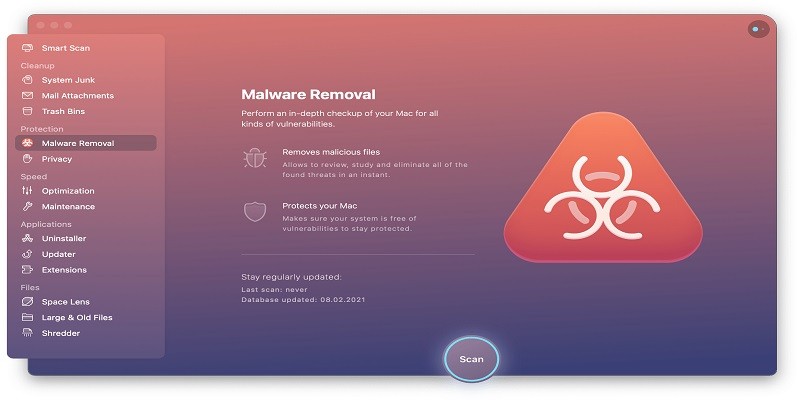
- Clean The Registry: After deleting any suspicious entries associated with Vbsmalware Gen it’s important to clean up your registry as well so that no traces are left behind which could potentially allow other malicious programs or infections into your computer in future again. Use a reputable registry cleaner tool like CCleaner (for Windows) or MacKeeper (for Mac OS X) to clean out all invalid entries from its database and permanently remove them from your PC/Macbook Pro/Air etc.
- Restore Backups: If possible, restore back-up copies of any documents or data that may have become corrupted due to this infection before taking further steps towards cleaning up Vbsmalware Gen completely off of your machine. Most virus removal tools will give you options for restoring backups after scanning and removing infected items but if not then make sure you create a copy beforehand just in case something goes wrong during deletion process itself.
Como remover vbs:Malware-gen gzip do blog
How to Remove Malware from Windows 10?
Removing malware from Windows 10 is a relatively straightforward process. First, you will want to run an antivirus scan on your computer to identify any malicious files. Once these are identified, you can delete or quarantine them in order to remove them from your system.
Additionally, it is important that you keep all of your software and drivers up-to-date so as to prevent further infections. Finally, be sure to regularly check for updates and security patches so that new threats won’t be able to infiltrate and wreak havoc on your device.
How to Remove Virus from Computer?
Removing a virus from your computer can be an intimidating task, but it doesn’t have to be. The first step is to make sure that your anti-virus software is up to date. Once you’ve done this, run a full system scan and delete any malicious files that are detected.
If the scan does not detect anything, consider running additional scans with different antivirus programs or malware removal tools such as Malwarebytes. Finally, if the problem persists after all of these steps have been taken, contact tech support for further assistance.
Threat Generic Ecn
Threat Generic Ecn is a type of cyber threat that involves the use of malicious scripts and malware to gain access to sensitive information on corporate networks. It works by exploiting vulnerabilities in network systems, such as weak passwords or unpatched software, and can cause significant damage if left unchecked. Enterprises need to be aware of this threat and take appropriate measures such as implementing multi-factor authentication, using strong password policies, regularly patching their systems, and running regular security audits.
How to Remove Virus from Windows 7?
Removing a virus from Windows 7 can be done by using anti-virus software. Before running the software, it’s important to make sure your operating system is up to date and that you have all of the latest critical updates installed. Once these steps are completed, use an anti-virus program such as AVG or Avast to scan your computer for malicious files and remove them.
Finally, keep your computer protected by regularly scanning with updated anti-virus software and avoiding questionable websites or downloads.

Credit: www.techwalla.com
How Do I Get Rid of Malware-Gen?
Malware-gen is a malicious software which can cause serious harm to your computer and can even compromise sensitive information. The best way to get rid of malware-gen is to use an anti-malware program such as Malwarebytes or Spybot Search & Destroy. These programs are designed specifically for the purpose of removing malicious software from your system, and they will detect and remove any malicious files associated with malware-gen.
Additionally, you should also ensure that all other security measures such as firewalls, antivirus applications, etc., are in place on your system so as to protect it from further attack by malware-gen or similar threats.
What is Vbs Malware?
VBS (Visual Basic Script) malware is a type of malicious computer code that is written in Visual Basic Scripting language. It is often used to carry out activities such as downloading more malicious software, stealing confidential information, or performing other unwanted actions on an infected system. VBS malware can be spread through email attachments, downloads from untrusted websites and links, and even via removable storage devices like USB flash drives.
Once the user opens the file containing the VBS script, it will execute its code and may cause various problems for the user’s computer. To protect against this type of attack, users should ensure their antivirus programs are up-to-date and scan all files before opening them.
Can Vbs Be a Virus?
Yes, VBS can be a virus. VBS stands for Visual Basic Script and it is an interpreted language used to create small programs or scripts that run in the Windows operating system. These scripts are often created by malicious actors who want to gain access to your computer without your knowledge and then spread malware throughout your system.
A VBS virus spreads itself by sending copies of its code through email messages, webpages, or other means of transmission. It runs in the background on infected computers and can cause serious damage such as data theft and destruction of critical system files if left untreated.
Is Win32 Malware-Gen a Virus?
Win32 malware-gen is a type of malicious software, or “malware,” that first appeared in the early 2000s. It is designed to infect computers by exploiting security vulnerabilities and can be used to install other forms of malware on the system. Win32 malware-gen typically comes as a Trojan horse, meaning it disguises itself as legitimate software in order to gain access to a computer’s resources.
Once installed, it will start collecting information from the victim’s computer and sending it back to its creators for use in cybercrime activities such as identity theft, data theft, and financial fraud. While technically not considered a virus since it does not replicate itself like viruses do, Win32 malware-gen can still cause serious damage if left unchecked.
Conclusion
In conclusion, removing VBSMalware Gen can be a difficult task, but with the right tools and knowledge it is possible to get rid of this malicious software. It is important to remember that prevention is always better than cure when it comes to malware, so make sure you do all you can to protect your computer from future attacks. Additionally, if you think that your computer has been infected by VBSMalware Gen or any other type of malicious software then contact an IT professional for help in order to ensure that everything gets resolved properly and safely.
About the Author Jim C.
Jim C. Clark is the lead tech blogger at TechnoHacks.net, where he delivers insightful content across a wide range of digital topics. With a keen interest in emerging technology and practical tools, Jim writes in-depth articles on AI, Python, software, and the latest apps. He also shares expert advice on freelancing, digital marketing, SEO, and business growth strategies. Known for his clear, engaging writing style, Jim breaks down complex concepts into actionable insights. Whether he's recommending the best free tools 🧰 or explaining “how to” guides, Jim’s goal is to empower readers with the knowledge they need to thrive in the digital world.