

- You are here:
- Home »
- Technology »
- Calibre Financial Technology Enterprise Customers Calibreft.com Case Study

Calibre Financial Technology Enterprise Customers Calibreft.com Case Study
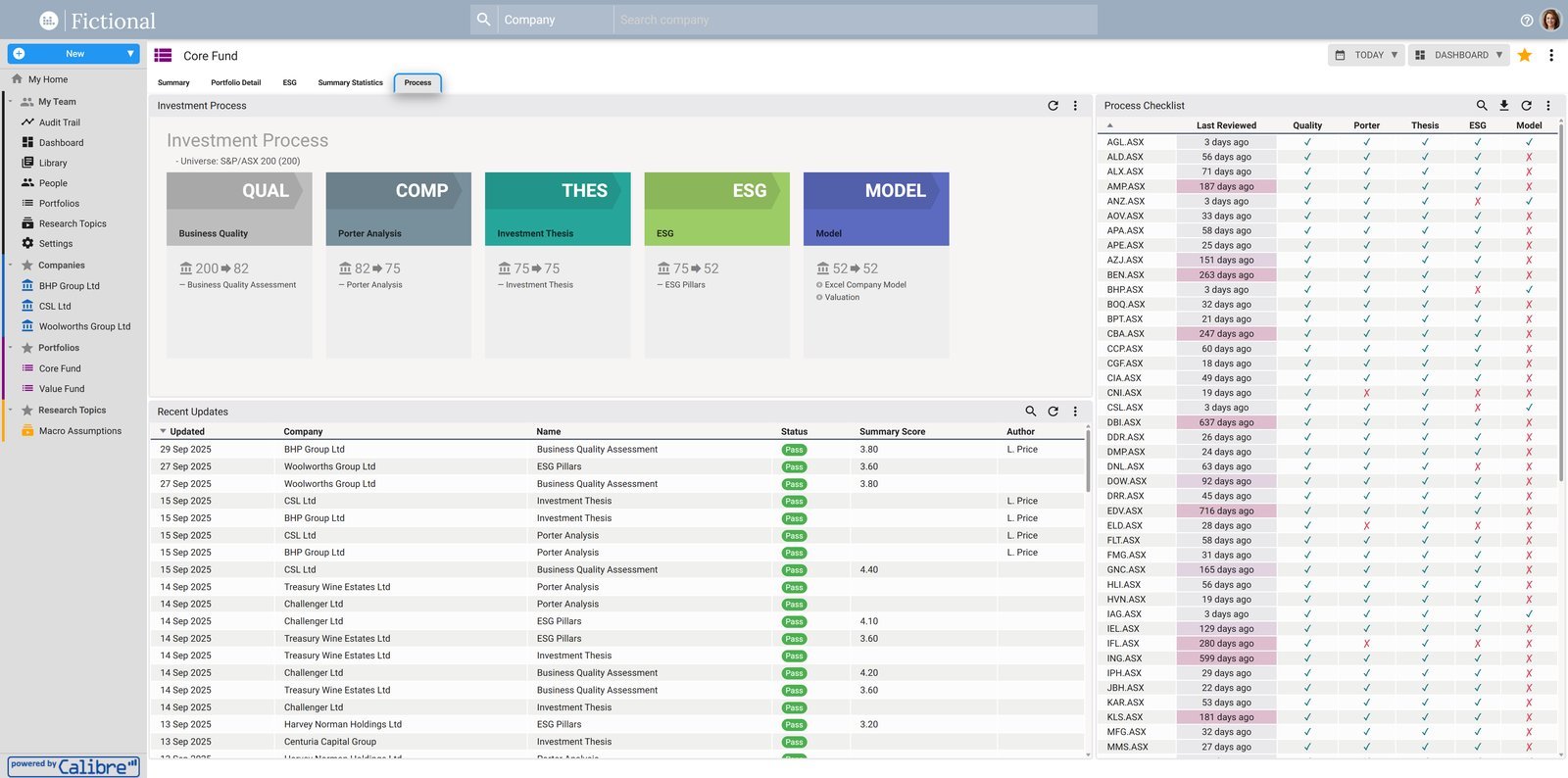
Calibre Financial Technology delivers scalable software solutions to large-scale banking and investment firms, as shown by the calibre financial technology enterprise customers calibreft.com case study which highlights improved data processing speeds for institutional clients. These systems rely on high-frequency data integration to support complex trading and risk management workflows.
Your daily transaction volume determines if this solution fits your infrastructure.
Enterprises using Calibre financial technology

Institutional banks and global wealth managers use these tools to bridge legacy data silos with modern cloud-based reporting systems. These organizations typically have dedicated IT departments that manage hybrid cloud environments and require strict adherence to international financial data standards. The platform serves firms that need to automate reconciliation processes across multiple currencies and asset classes.
What decides the outcome
Implementation success depends on data quality. Clean data allows the software to map records to benchmarks without manual intervention. Inconsistent formatting increases setup time by 40 percent.
Technical compatibility drives performance. The software integrates best with SQL-based environments and RESTful API structures. If you operate on proprietary mainframe systems, you’ll need to budget for custom middleware development before the core platform can function effectively.
Network latency influences reporting speed. Firms with dedicated fiber connections and localized servers typically see a 20 percent performance gain compared to those relying on standard public internet pathways.
Implementation steps
- Conduct a full audit of your current data sources to identify missing fields or inconsistent naming conventions.
- Map your internal data architecture against the required input formats specified in the Calibre Financial Technology documentation.
- Establish a sandbox environment to test the API handshake between your database and the software platform.
- Run a parallel processing test for 72 hours to ensure the output matches your legacy reporting figures.
- Review the error logs generated during the testing phase to identify potential bottlenecks in your local network.
- Configure the automated alert thresholds to notify your IT team if data synchronization drops below 99 percent.
- Perform a final security scan to ensure all data in transit is encrypted according to your regional compliance standards.
- Transition your primary reporting workflows to the new platform once the parallel test shows zero variance.
The single judgement call that separates a successful transition from a failed one is the decision to perform a full parallel run.
Integration scenarios
| Situation | Action | Resource Needs | Watch For |
|---|---|---|---|
| Legacy SQL Migration | Map schemas | Medium | Field mismatches |
| Cloud API Sync | Configure endpoints | Low | Latency spikes |
| Multi-Currency Reporting | Enable modules | High | Exchange rate drift |
| Real-time Trade Audit | Set triggers | High | Server load |
| Batch Data Import | Schedule tasks | Low | File corruption |
Performance and reliability
Maintaining data integrity
Experienced teams prioritize data validation at the point of entry rather than attempting to clean records post-processing. By setting strict schema requirements, you prevent malformed data from entering the central ledger. This reduces the need for manual reconciliation and ensures that your audit trails remain compliant with ISO 27001 standards for information security management.
Optimizing workflow order
Successful implementations always begin with the most critical reporting modules before moving to secondary analytical features. By establishing a stable core, you create a baseline for performance that makes troubleshooting easier if an issue arises later.
Common technical hurdles
| What you notice | What it usually means | What to do first | How to stop it |
|---|---|---|---|
| High API latency | Network congestion | Check firewall rules | Optimize packet size |
| Sync errors | Schema mismatch | Validate source data | Enforce strict schemas |
| Slow reporting | Database overload | Index active tables | Schedule batch off-peak |
| Alert fatigue | Thresholds too low | Adjust sensitivity | Filter non-critical logs |
| Missing entries | Timeout issues | Increase request limits | Use batch processing |
Compliance and standards
The software must operate within the legal frameworks of the regions where you conduct business. In the United States, this means adhering to the regulations set by the Securities and Exchange Commission regarding the storage and retrieval of electronic trade records.
If you operate in international markets, you must confirm that the software’s data residency settings align with local privacy laws, such as the General Data Protection Regulation in the European Union. Failure to configure these settings correctly can result in significant legal risks.
Financial considerations
Costs include licensing fees and engineering hours.
Upfront costs increase when your infrastructure requires custom middleware to bridge old and new systems. Ongoing costs include server maintenance and periodic security audits. Request a custom quote, as licensing scales with your firm’s total assets under management.
System maintenance
To keep the platform running smoothly, your IT team should perform a monthly review of API logs and system health reports. If you notice a decline in processing speed, check the size of your temporary data tables and clear any expired cache files. This maintenance routine ensures that the software continues to handle high volumes without performance degradation.
When to seek alternatives
If your organization lacks a dedicated technical team to manage API connections, this platform will likely be too difficult to maintain.
If your primary need is basic accounting rather than complex institutional trade reporting, the enterprise-level features will be unnecessary for your business.
Frequently asked questions
How long does the integration take?
The typical integration process takes between three and six months, depending on the complexity of your existing data architecture and the number of custom API endpoints required for your specific workflows.
Is the software compliant with SEC rules?
Yes, the platform is designed to support compliance with SEC electronic record-keeping requirements, though you must configure the specific data retention settings according to your firm’s internal legal and compliance policies.
Can it handle multi-currency trades?
Yes, the system includes native modules for multi-currency reconciliation, allowing you to track and report on global asset classes with automated conversion based on your chosen daily exchange rate feeds.
Does it require a dedicated server?
No, the software operates in a cloud-based environment, which removes the need for your firm to host and maintain the physical server hardware required to run the core processing engine.
How often should we audit data?
You should conduct a full data audit at least once per fiscal quarter to ensure that all automated reconciliation triggers remain accurate and that no data drift has occurred during processing.
What happens if the API fails?
If the API connection fails, the system is designed to queue incoming data until the connection is restored, preventing any loss of records during temporary network outages or planned server maintenance.
Start by auditing your current data formats to ensure they meet the minimum schema requirements for the platform.
Calibre financial, in short
By upgrading your infrastructure, you’ll ensure your team stays ahead of shifting market demands. If you’re ready to see how these tools can transform your own operations, reach out to our specialists today. We’d love to help you build a more efficient, high-performance future for your firm’s complex data needs.
About the Author Jim C.
Jim C. Clark is the lead tech blogger at TechnoHacks.net, where he delivers insightful content across a wide range of digital topics. With a keen interest in emerging technology and practical tools, Jim writes in-depth articles on AI, Python, software, and the latest apps. He also shares expert advice on freelancing, digital marketing, SEO, and business growth strategies. Known for his clear, engaging writing style, Jim breaks down complex concepts into actionable insights. Whether he's recommending the best free tools 🧰 or explaining “how to” guides, Jim’s goal is to empower readers with the knowledge they need to thrive in the digital world.
Related Posts
23 Oct, 2026Advantis Technologies Leisure Time Complete Bromine Spa Care Kit
22 Oct, 2026A Better World Spirituality and Technology Advancement Scholarship
22 Oct, 2026220W 12V Monocrystalline Solar Panels W/ 10Busbar Technology -Newpowa
21 Oct, 2026Toyota Bz4x Technology Features for Tacoma Drivers