
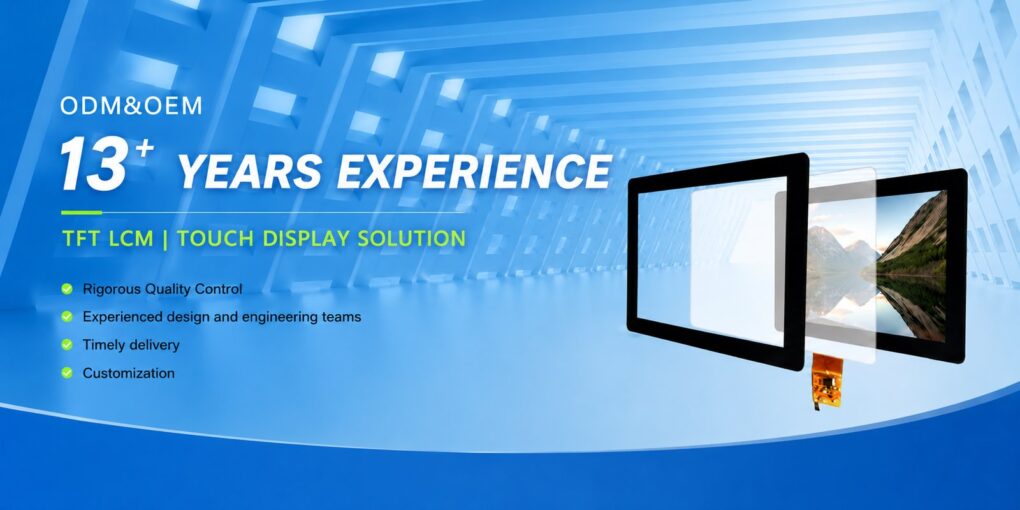
Cdtech Tft LCD Displays Industrial Display Technology
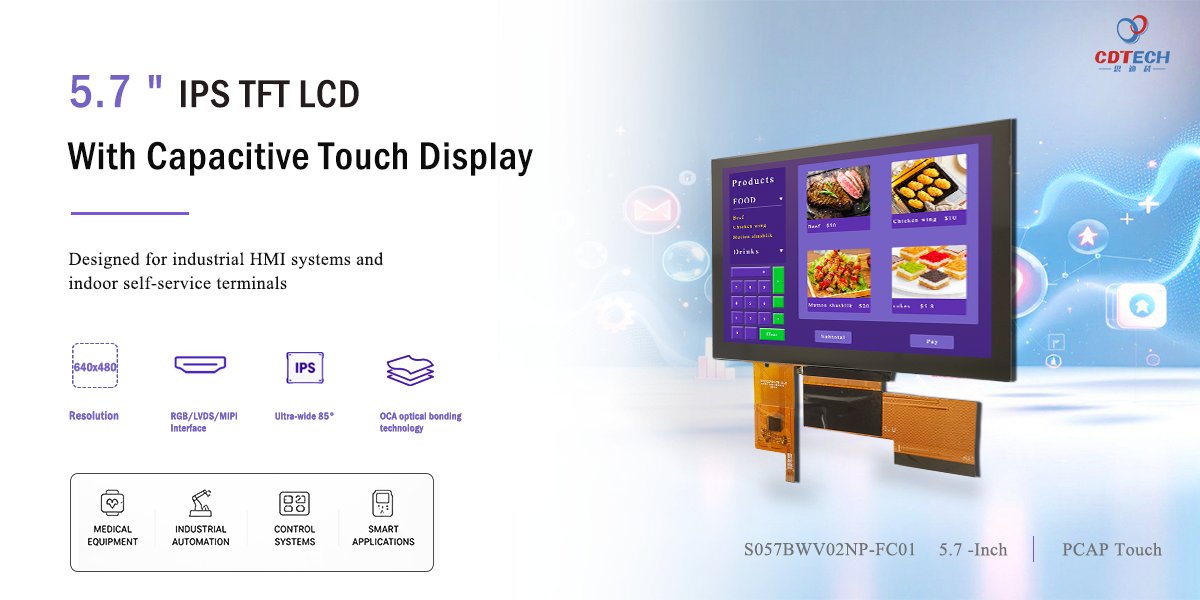
CDTech TFT LCD displays industrial display technology provides reliable visual interfaces for machines by using high-contrast liquid crystal layers that stay readable in extreme heat or cold. These screens turn electrical signals into clear images, acting like a digital window for factory equipment, medical devices, and outdoor control panels.
Components of industrial displays
Photo: www.cdtech-lcd.com on Google
| Part or input | What it does | What you notice when it goes wrong |
|---|---|---|
| LED Backlight | Provides light for the image | Screen appears dim or dark |
| Liquid Crystal Layer | Blocks or allows light through | Dead pixels or stuck colors |
| Polarizer Film | Controls light wave direction | Screen looks washed out |
| Driver IC | Sends signals to pixels | Flickering or vertical lines |
| Interface Cable | Transfers data from controller | No signal or image noise |
You can verify the specific technical requirements for your unit by checking the official product documentation provided by the manufacturer. These parts must work together perfectly to maintain visibility in harsh environments. If the backlight fails, you can’t simply replace a single diode; the entire module often requires a professional swap.
Operating industrial display units
- Verify that your power supply matches the voltage range listed on the display’s label to avoid permanent circuit damage.
- Connect the interface cable, such as LVDS or HDMI, ensuring the pins align perfectly to prevent signal interference or ghosting.
- Secure the module into the equipment housing using the provided mounting points to prevent vibrations from loosening internal connections.
- Apply the required firmware or driver updates from the manufacturer to ensure the display correctly interprets your input data.
- Power on the unit and run a test pattern for 30 minutes to check for pixel consistency and color accuracy.
- Calibrate the brightness and contrast settings through the system menu to match the ambient lighting of your specific workspace.
Reliability in harsh environments
Industrial hardware requires high durability because these screens often face conditions that would destroy a standard consumer monitor. The core mechanism relies on industrial-grade liquid crystals that remain stable across wide temperature ranges, typically from minus twenty to plus seventy degrees Celsius. This stability is critical for factory automation, where a failure could stop an entire production line.
One common mistake is ignoring the operating temperature range, which leads to “ghosting” or slow response times. If you operate a screen in freezing conditions without a heater, the liquid crystals move too slowly to update the image. Conversely, heat causes the internal components to break down faster. You should always check the technical datasheet for your specific model to see the certified temperature limits. This varies by model — check the label on the back or the official manual for the exact thermal ratings.
Controlling your display performance
Things you can change
- Adjust the brightness and contrast levels to suit your specific lighting environment.
- Update the display firmware to ensure compatibility with your current control hardware.
- Clean the screen surface using only approved anti-static cloths and non-abrasive cleaners.
- Set the display to sleep mode during long idle periods to preserve the backlight.
Things fixed by design
- The physical resolution and pixel density are set during the manufacturing process.
- The viewing angle range is determined by the specific TFT panel technology used.
- The internal connector type is permanent and can’t be modified without a new unit.
If you need to repair internal circuitry or solder connections, you must be a certified technician. Attempting this without training will void your warranty and may cause electrical hazards.
Optimization and maintenance habits
To get the most out of your hardware, keep the display away from constant direct sunlight, as ultraviolet rays can degrade the polarizer film over time. If your unit runs twenty-four hours a day, reduce the brightness to sixty percent of the maximum setting to extend the life of the LED backlight. Always ensure the mounting area has enough airflow, as heat buildup is the primary cause of early failure. If you notice the display color shifting, check the cable connection first before assuming the panel itself is broken, as a loose wire often mimics screen failure.
Frequently asked questions
How long do industrial displays typically last?
Most industrial displays are rated for fifty thousand hours of continuous operation, though this varies by model — check the label or datasheet. Daily usage at lower brightness settings often exceeds this initial estimate.
Can I use a regular monitor for industrial work?
No, standard monitors lack the temperature resistance and vibration shielding required for factory floors. Using a consumer screen in an industrial setting will likely lead to rapid failure and data loss.
Is it safe to touch the screen surface?
Yes, but you should avoid applying heavy pressure to the glass. Excessive force can damage the thin-film transistors behind the surface, leading to permanent dead pixels or cracks in the internal display layers.
What happens if the screen flickers?
Flickering usually indicates a loose signal cable or an unstable power supply. Check that your power source matches the requirements on the display label and ensure all cables are pushed in tightly.
Does the viewing angle matter?
Yes, industrial displays are designed for specific viewing angles, such as wide-angle viewing for control rooms. Check your model’s specifications to ensure the screen is mounted at the correct height and orientation.
Can I replace the backlight myself?
No, the backlight is integrated into the display module and isn’t a user-serviceable part. Attempting to open the sealed housing will void your warranty and may cause permanent damage to the display.
Choosing the right equipment depends on your specific environment and the requirements of your machine control system. Always consult the technical manual for your specific unit to ensure you’re operating within the manufacturer’s recommended parameters.
Cdtech TFT LCD displays industrial display technology: An overview
Whether you’re designing a new medical monitor or upgrading a factory control system, choosing the right screen makes all the difference. You shouldn’t settle for anything less than high-quality hardware. Reach out to our engineering team today, and we’ll help you find the perfect display solution for your next project.
