

- You are here:
- Home »
- Technology »
- 150W 12V Monocrystalline Solar Panel W/ 10Busbar Technology -Newpowa
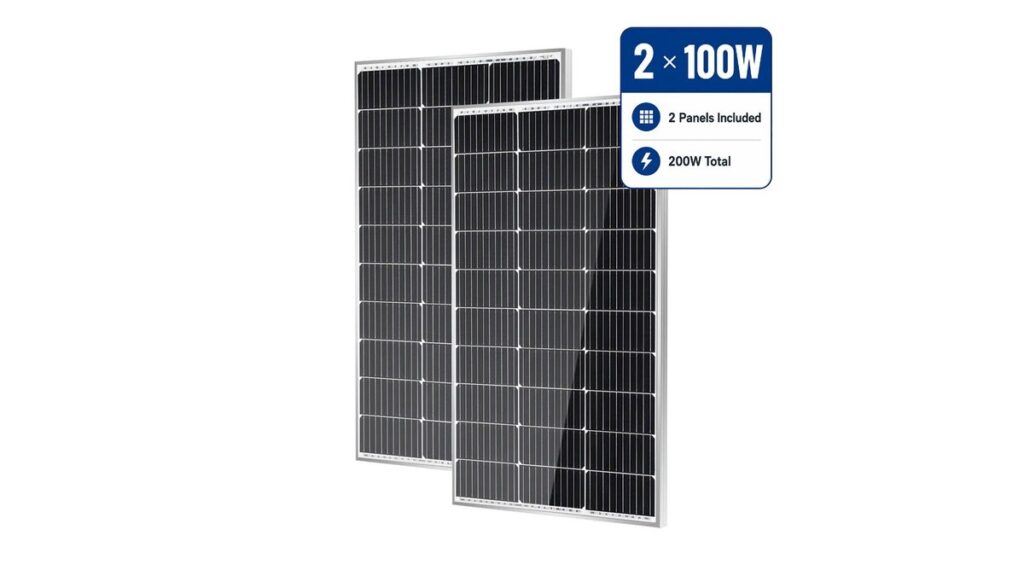
150W 12V Monocrystalline Solar Panel W/ 10Busbar Technology -Newpowa
Last Updated on September 23, 2026 by Jim C.
A 150w 12v monocrystalline solar panel w/ 10busbar technology -newpowa produces a peak power output of 150 watts under ideal conditions. It converts sunlight into direct current electricity using high-efficiency silicon cells, which then flows through a charge controller to safely power your 12-volt battery system or DC appliances.
Solar Panel Components and Output
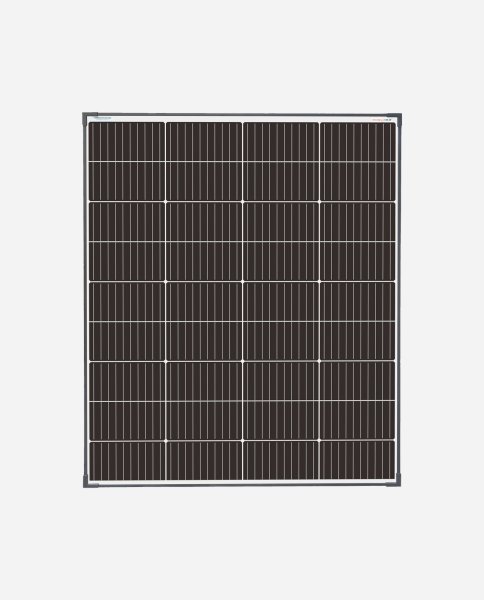
The efficiency of your system depends on how each part performs. If a component fails, you’ll notice a drop in energy production or a complete stop in charging. Always check your specific unit’s manual, as the exact terminal voltage and short-circuit current vary by model — check the label on the back for your unit’s specific ratings.
| Part or input | What it does | What you notice when it goes wrong |
|---|---|---|
| Silicon Cells | Collects sunlight energy | Visible cracks or dark spots |
| 10-Busbar Grid | Transfers electrons out | Lower than expected wattage output |
| Junction Box | Connects output cables | Loose wires or moisture inside |
| MC4 Connectors | Locks cables together | Corrosion or melted plastic housing |
| Aluminum Frame | Holds glass in place | Bent corners or broken glass |
Operating Your Solar Equipment
To start producing power, you must connect the panels to a charge controller before the battery. This prevents overcharging and protects your system from voltage spikes that occur when the sun intensity shifts.
- Place the panel in a location with direct sunlight, ensuring no shadows fall on the surface for at least 6 hours daily.
- Clean the glass surface using only water and a soft cloth to remove dust, which can reduce output by 5-10% in dry climates.
- Connect the positive and negative MC4 cables to your solar charge controller, ensuring the “Solar” input icon matches the polarity.
- Secure the battery connections to the controller, starting with the positive terminal, to prevent short circuits during the setup process.
- Monitor the controller display to verify that the battery is receiving a charge.
- Check the connections regularly for signs of heat, which indicates a poor connection that needs tightening or replacement.
Troubleshooting Power Losses
Understanding the link between the 10-busbar design and power flow helps you diagnose performance issues quickly. The 10-busbar technology uses thin silver strips to collect electricity from the silicon cells, which shortens the distance electrons travel and lowers internal resistance. If you see a sudden drop in power, the issue is often a partial shade covering just one section of these busbars. This creates a bottleneck, as the panel’s output is limited by the weakest, most shaded cell. If the panel is clear of shade and output remains low, use a multimeter to test the open-circuit voltage at the junction box. If the reading is significantly lower than the Newpowa technical specifications listed on their official site, internal cell damage is likely, and you should contact a certified solar technician.
Adjustment and Design Limits
What you can change
- Tilt angle: Adjust the panel to match your local latitude for maximum seasonal efficiency.
- Cleaning schedule: Wipe the surface as needed when dust or debris accumulation becomes visible.
- Wiring length: Keep the run to the battery under 15 feet to minimize voltage drop.
- Controller settings: Program the charge profile to match your specific battery chemistry, such as LiFePO4 or AGM.
What is fixed by design
- Busbar quantity: You can’t add or move the 10-busbar silver strips on the cells.
- Cell efficiency: The conversion rate is locked at the factory during the manufacturing process.
- Panel dimensions: The physical size and mounting hole pattern are set and can’t be altered.
Attempting to open the sealed junction box or modify the internal wiring voids your warranty and poses a shock risk. If the panel requires internal repair, consult a professional electrician or the manufacturer directly.
Maximizing Your Daily Harvest
You can increase your energy harvest by tracking the sun’s path throughout the year. If you live at a latitude above 30 degrees, increasing the tilt angle by 15 degrees during the winter months helps capture low-angle light. Always ensure the panel faces true south in the northern hemisphere. Never install the panel under tree limbs or near chimneys, as even a small shadow can cut the output of a 150-watt panel by more than half. If you use an extension cable, ensure it’s at least 10 AWG to prevent power loss over the distance.
Frequently asked questions
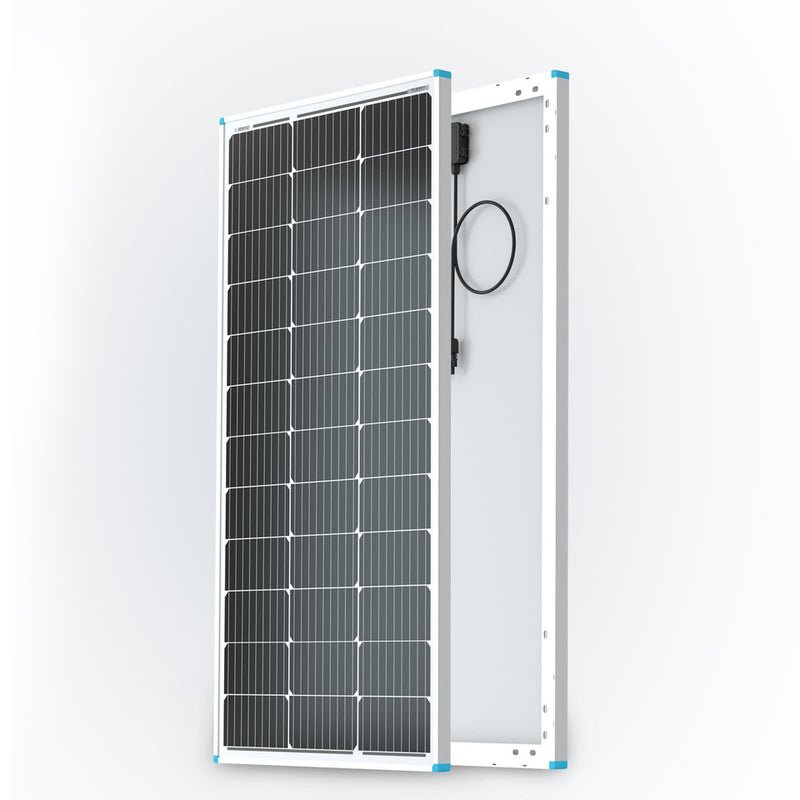
Can I connect two panels together?
Yes, you can connect two panels in parallel to double the current or in series to double the voltage. Check your charge controller’s maximum input voltage and current ratings before making any connections to avoid damaging the unit.
How long does this panel last?
Most monocrystalline panels provide reliable power for 20 to 25 years with proper care. You’ll notice a minor decrease in total output, typically about 0.5% per year, due to natural degradation of the silicon cells over time.
Is it safe to leave out in the rain?
Yes, these panels are built with waterproof junction boxes and tempered glass to withstand rain and snow. Ensure your cable connections are also rated for outdoor use and are fully clicked into place to prevent water from entering the contacts.
What happens if the glass breaks?
A broken panel will likely stop producing power and could become a fire or shock hazard. If the glass cracks, cover the panel with an opaque material to stop electricity production and disconnect it from the system immediately.
Does the 10-busbar tech matter in shade?
Yes, it matters because it makes the panel slightly more resistant to partial shading than older 2-busbar designs. However, even with 10-busbar technology, any significant shadow will still cause a major drop in power output.
How do I know if it’s charging?
You’ll see the charging indicator light or the battery voltage rising on your solar charge controller display. If the light doesn’t turn on during full sun, check the fuse between the controller and your battery for a break.
150w 12v monocrystalline solar panel w/ 10busbar technology -newpowa: In Short
Proper maintenance of your solar setup ensures that you get the most out of your investment while keeping your electrical system safe. Always prioritize secure connections and keep the glass clean to maintain consistent energy flow throughout the life of your equipment.
Related guides
About the Author Jim C.
Jim C. Clark is the lead tech blogger at TechnoHacks.net, where he delivers insightful content across a wide range of digital topics. With a keen interest in emerging technology and practical tools, Jim writes in-depth articles on AI, Python, software, and the latest apps. He also shares expert advice on freelancing, digital marketing, SEO, and business growth strategies. Known for his clear, engaging writing style, Jim breaks down complex concepts into actionable insights. Whether he's recommending the best free tools 🧰 or explaining “how to” guides, Jim’s goal is to empower readers with the knowledge they need to thrive in the digital world.
Related Posts
23 Oct, 2026Advantis Technologies Leisure Time Complete Bromine Spa Care Kit
22 Oct, 2026A Better World Spirituality and Technology Advancement Scholarship
22 Oct, 2026220W 12V Monocrystalline Solar Panels W/ 10Busbar Technology -Newpowa
21 Oct, 2026Toyota Bz4x Technology Features for Tacoma Drivers