

- You are here:
- Home »
- Technology »
- 12V Pump 5 Gpm Plumbing Kit – Softwash Technologies
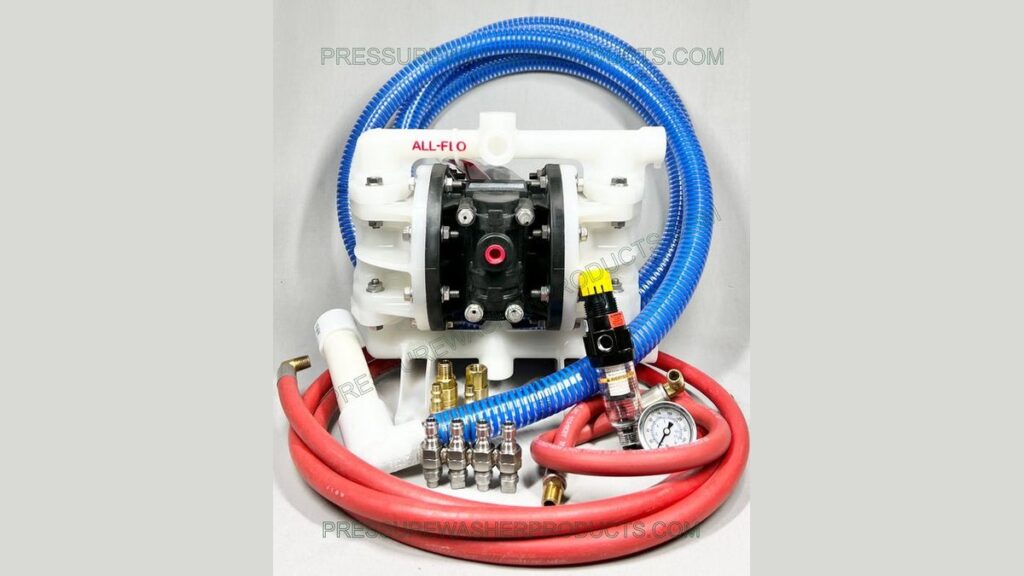
12V Pump 5 Gpm Plumbing Kit – Softwash Technologies
Last Updated on September 23, 2026 by Jim C.
Installing a 12v pump 5 gpm plumbing kit – softwash technologies setup takes about 45 to 60 minutes for a complete assembly on a standard chemical tank. The job has an easy to medium difficulty rating. You must have a clean, drained tank before mounting any fittings. Check the exact pump model tag to confirm you match the 1/2-inch or 3/4-inch port sizes correctly.
Softwash Pump Plumbing Parts
Photo: cigarcitysoftwash.com on Google
Use components that withstand harsh sodium hypochlorite mixes. Standard brass or cheap metals corrode and fail within days. Polypropylene and chemical-resistant plastics ensure a leak-free system.
| Item | How much | Why it’s needed | A substitute |
|---|---|---|---|
| Polypropylene elbows | 2 to 4 pieces | Directs fluid flow around tight corners | none — don’t swap this |
| Chemical suction hose | 5 to 8 feet | Delivers mix without hose wall collapse | Reinforced PVC braided tubing |
| Thread tape | 1 roll | Seals threaded pipe joints against leaks | Chemical-rated paste sealant |
| Hose clamps | 4 to 6 units | Secures lines onto barbed plastic fittings | Stainless crimp rings |
| Inlet mesh strainer | 1 unit | Blocks debris from ruining internal valves | none — don’t swap this |
| Slotted mounting screws | 4 units | Fastens pump feet to base plate | Stainless machine bolts |
Preparing the Chemical Line Setup
Before starting, clear your work area:
- Disconnect the 12-volt battery terminals completely to prevent accidental short circuits.
- Rinse and drain your supply tank until zero chemical residue remains inside.
- Move all electrical switches and battery boxes at least three feet away from chemical lines.
- Lay out every barb, elbow, and hose piece on a clean workbench to verify your layout.
People frequently skip flushing old chemical residue before assembly, which causes skin burns if lines slip during installation. Hire a certified mobile 12-volt auto electrician for auxiliary wiring or heavy alternator lines.
Connecting the Pump and Fittings
Proper assembly prevents air intake and motor burnout. Follow these steps in order to plumb your pump securely.
- Wrap the threads of the pump inlet port with three layers of thread tape in a clockwise direction.
- Thread the mesh strainer directly onto the inlet port by hand until it stops, then turn it one quarter turn with a wrench.
- Slide a stainless clamp over your chemical suction hose, then push the hose 1.5 inches over the strainer barb.
- Tighten the hose clamp firmly with a nut driver until the rubber hose pinches down without cutting the outer skin.
- Thread your discharge elbow into the outlet port by hand, finishing with a snug quarter turn using an adjustable wrench.
- Push your high-pressure delivery hose onto the discharge elbow barb, making sure it seats fully against the fitting shoulder.
- Tighten your second hose clamp over the discharge barb, keeping it 1/4 inch back from the cut end of the hose.
- Mount the pump base onto your rig plate using four stainless screws, tightening each corner evenly until the rubber feet compress halfway.
- Connect the suction hose to your tank bulkhead fitting, securing the joint with a third hose clamp.
Checking Fluid Delivery and Pressure
Test your assembly with water to confirm joints hold pressure. Fill your supply tank with five gallons of fresh tap water before turning on the power switch. When the motor starts, you’ll hear a rapid, steady hum as fluid enters the chambers.
The clear bowl on your intake strainer should fill completely with water within 15 seconds. If you see rising air bubbles inside the bowl, air is entering through a loose joint. Shut off the trigger gun; the pump should shut off instantly once line pressure reaches about 60 PSI. Inspect every barbed joint with dry paper towels to confirm zero damp spots appear.
Troubleshooting Line and Pressure Problems
Plumbing errors lead to rapid motor cycling, poor delivery volume, or fluid leaks. Use this guide to locate and resolve common kit failures quickly.
| What happened | Why | What to do |
|---|---|---|
| Pump runs continuously | Suction line draws in outside air | Reseal threaded joints with tape |
| Low delivery volume | Strainer mesh is clogged with dirt | Unscrew bowl and clean screen |
| Rapid on-off cycling | Discharge hose has internal kink | Straighten hose runs completely |
| Fluid drips at barbs | Clamp sits crooked on hose | Loosen clamp and reposition straight |
| Motor fails to start | Battery terminal connection is loose | Tighten 12-volt terminal nuts firmly |
Routine Maintenance and Flush Schedule
Flush the plumbing with water for five minutes after every workday. For systems spraying bleach mixes, check the EPA Antimicrobial Pesticide Guidelines for proper chemical handling and rinse protocols. Leaving chemical mix inside overnight shortens diaphragm life. If you spray only twice a month, inspecting the fittings as part of your usual clean is plenty.
Frequently asked questions
Photo: softwashtechnologies.com on Google
Can I use clear vinyl tubing for the suction line?
No. Clear non-reinforced vinyl tubing softens under warm temperatures and collapses flat under suction pressure, starving the pump of fluid and burning out the internal motor quickly.
Why does my pump pulsate while spraying?
The nozzle tip on your wand is too small for a 5 GPM flow rate, creating excessive backpressure that forces the internal pressure switch to rapidly cycle on and off.
How long does a 12-volt pump last?
About one to two years under regular commercial use. Flushing the pump with clean water for five minutes after every job extends the internal valve life significantly.
No. Running a diaphragm pump dry causes rapid wear to the internal valves and diaphragm; avoid dry operation.
What happens if I skip the inlet strainer?
Small debris from your chemical tank will lodge inside the delicate internal check valves, preventing the pump from building pressure or shutting off automatically when you release the wand trigger.
Does hose diameter size really matter?
Yes. Using 1/2-inch hose on the suction side restricts fluid flow, reducing a 5 GPM pump down to roughly 3.5 GPM and causing unnecessary motor strain.
Can I run this pump on a car battery?
Yes. A deep-cycle marine battery rated for sufficient capacity works best, providing continuous power through full workdays without overheating or dropping voltage rapidly; have a technician verify the electrical requirements.
Keep your battery fully charged between spray sessions to protect the motor brushes from low-voltage heat damage. Clean lines and properly tightened fittings keep your spray setup running smoothly job after job.
Pump gpm, in short
Once you’ve tightened your final connection, it’s time to test the system with fresh water to ensure there aren’t any leaks. Don’t rush this part; checking your seals now will save you a headache later. You’re ready to start your first cleaning project once everything flows smoothly and stays completely dry.
About the Author Jim C.
Jim C. Clark is the lead tech blogger at TechnoHacks.net, where he delivers insightful content across a wide range of digital topics. With a keen interest in emerging technology and practical tools, Jim writes in-depth articles on AI, Python, software, and the latest apps. He also shares expert advice on freelancing, digital marketing, SEO, and business growth strategies. Known for his clear, engaging writing style, Jim breaks down complex concepts into actionable insights. Whether he's recommending the best free tools 🧰 or explaining “how to” guides, Jim’s goal is to empower readers with the knowledge they need to thrive in the digital world.
Related Posts
23 Oct, 2026Advantis Technologies Leisure Time Complete Bromine Spa Care Kit
22 Oct, 2026A Better World Spirituality and Technology Advancement Scholarship
22 Oct, 2026220W 12V Monocrystalline Solar Panels W/ 10Busbar Technology -Newpowa
21 Oct, 2026Toyota Bz4x Technology Features for Tacoma Drivers