
High Technology Janitorial Services in Rhode Island
High technology janitorial services in rhode island utilize advanced tools like electrostatic sprayers and HEPA-filtered vacuums to ensure high-grade facility hygiene. These providers typically operate on contracts ranging from daily office maintenance to specialized deep-cleaning schedules, with pricing often determined by the total square footage and the specific equipment requirements for your building. This guide explains how these services function, the technology used, and how to select the right partner for your facility.
High Technology Janitorial Methods
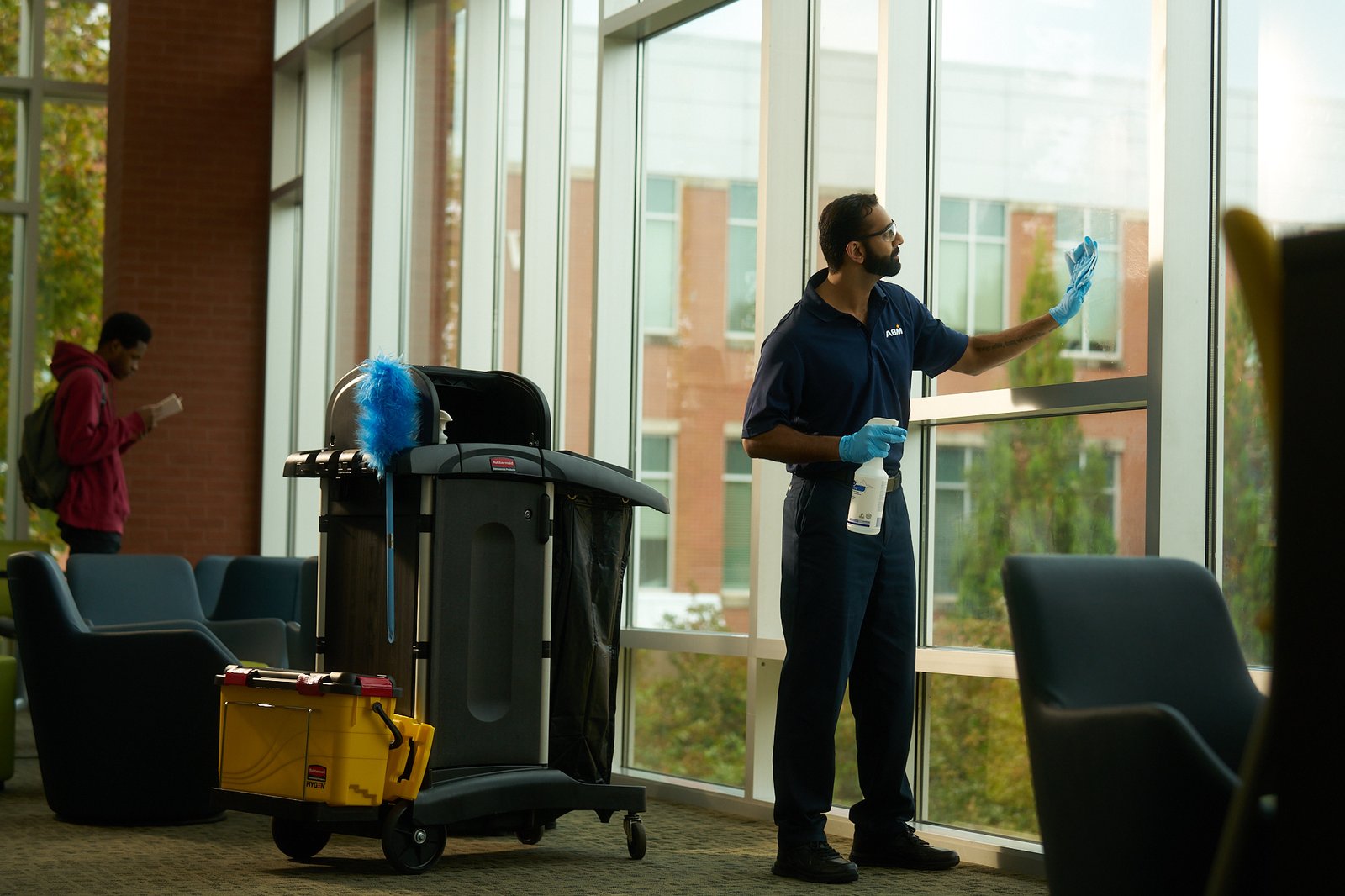
These services rely on precision tools that move beyond traditional mopping and dusting. Providers use high-tech equipment to improve indoor air quality and reduce the spread of pathogens. The most common tools include electrostatic sprayers that provide even coverage of disinfectants on complex surfaces and vacuums equipped with high-efficiency particulate air filters. Many people falsely believe that high-tech cleaning replaces the need for manual scrubbing. In reality, the technology serves to enhance the efficiency of standard labor by targeting microscopic contaminants that traditional cloths might miss or simply redistribute.
Executing Advanced Cleaning Procedures
- Audit the facility space to identify high-touch zones that require extra attention during each shift.
- Clear all surfaces of loose debris using vacuums with HEPA filters to capture fine dust particles.
- Apply disinfectants using electrostatic sprayers, holding the device 24 to 36 inches from target surfaces.
- Allow the chemical dwell time recommended by the manufacturer to pass before wiping or touching surfaces.
- Use color-coded microfiber cloths in each zone to prevent the transfer of bacteria between rooms.
- Dispose of waste in sealed containers to maintain air quality throughout the building.
The key judgement call is balancing dwell time against workflow speed. If your staff wipes a surface too quickly, the chemical doesn’t kill the germs. If you’re handling sensitive medical or laboratory environments, you must ensure your provider follows specific protocols for hazardous waste disposal and cross-contamination prevention, which often requires specialized training or certifications.
Key Performance Indicators and Equipment
The following table outlines the typical settings and tools used for different areas within a commercial facility.
Achieving Superior Cleanliness Standards
High-tech janitorial work depends on the order of operations. Experienced teams always clean from the top down and from the cleanest area toward the dirtiest. This prevents dust from settling on surfaces that have already been sanitized. They also perform a final walkthrough with a blacklight or adenosine triphosphate (ATP) bioluminescence meter to verify that surfaces are truly clean.
Mistakes often happen when teams rush the dwell time. If a disinfectant is wiped away after 10 seconds instead of the required 5 to 10 minutes, the cleaning is essentially wasted effort. You should check that your provider uses products that are compatible with your specific flooring and furniture materials. If they use a harsh chemical on a sensitive surface, you risk permanent staining or material degradation. Always request a list of the specific chemicals and equipment they plan to use in your building.
Common Cleaning Issues
| What you notice | What it usually means | What to do first |
|---|---|---|
| Sticky floors | Too much soap residue | Rinse with clean water |
| Lingering odors | Hidden bacterial growth | Check floor drains |
| Dust on surfaces | Poor vacuum filtration | Replace HEPA filter |
| Streaks on glass | Improper wipe technique | Use dry microfiber |
Regulatory Standards and Compliance
Cleaning services must follow guidelines set by the Occupational Safety and Health Administration regarding the handling of chemical agents and bloodborne pathogens. If your facility handles hazardous materials, your janitorial team must hold current training certifications for biohazard cleanup. Never assume a standard office cleaner is equipped for clinical or industrial waste. If an accident involving hazardous materials occurs, you must immediately contact a certified remediation specialist rather than relying on your regular cleaning crew, as they may lack the required protective gear and disposal protocols.
Maintaining Your Facility Results
Once a deep clean is complete, focus on daily maintenance to preserve the results. Use walk-off mats at all entrances to trap dirt before it enters your facility, which reduces the workload on your floor care equipment. If you notice a drop in air quality or visible buildup on high-touch surfaces, it’s time to request a mid-cycle spot treatment from your service provider.
Choosing the Right Service Model
This approach isn’t for every business. If your facility has very low foot traffic or limited surface area, the cost of specialized equipment may outweigh the benefits compared to traditional manual cleaning. In these cases, a standard janitorial service is often more cost-effective. If your building requires sensitive environmental controls, such as a server room or a clean room, you must hire a firm that specializes in that specific environment rather than a generalist service.
Can I do this myself?
No, you can’t achieve the same results without professional-grade electrostatic sprayers and HEPA-certified equipment. These tools require specific training to operate safely and effectively without damaging office electronics or furniture.
How often should deep cleaning occur?
High-traffic areas like lobbies or restrooms may require monthly deep-cleaning cycles to maintain health and safety standards.
Is it safe for my employees?
Yes, it’s safe when the provider uses EPA-registered chemicals and follows manufacturer instructions. Always ask for the Material Safety Data Sheets for every product used in your building.
What happens if a surface is damaged?
You must immediately stop the cleaning process and contact your provider’s supervisor. Professional services typically carry liability insurance to cover accidental damage to office equipment or flooring materials.
How do I know the cleaning worked?
You can request an ATP test from your provider. This quick swab test measures the presence of organic matter and gives an objective reading of how clean a surface is.
Building managers should prioritize clear communication with their service provider regarding specific floor types and sensitive electronics. When both parties understand the equipment limitations and the expected cleaning frequency, you’ll maintain a professional environment that supports both employee health and facility longevity.
