
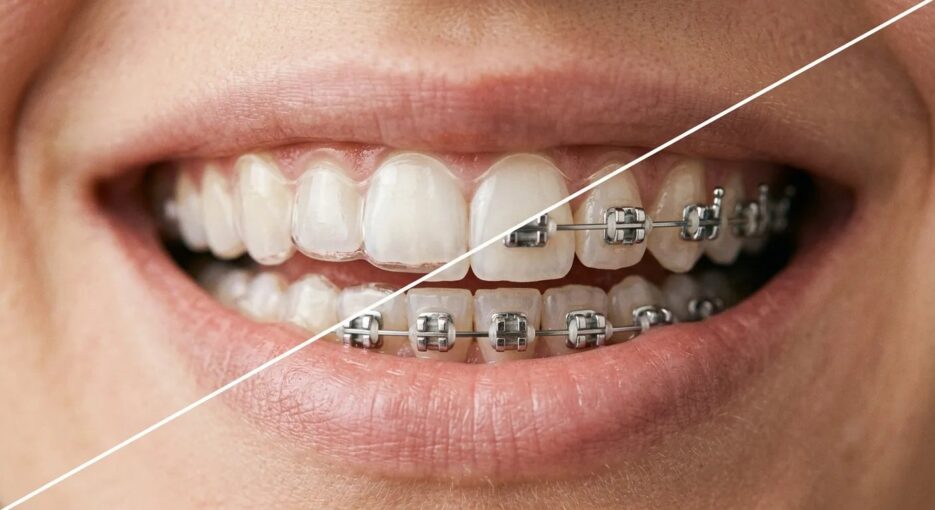
Align Technology Invisalign vs Traditional Braces Pricing Comparison 2025 2026
Traditional metal braces are often cheaper than clear aligners, though aligners provide better aesthetics for many patients. You’ll find that an align technology invisalign vs traditional braces pricing comparison 2025 2026 shows that metal braces typically range from $3,000 to $7,000, while Invisalign often costs between $4,000 and $8,000 depending on the complexity of your case.
Orthodontic treatment options compared
Photo: www.winnsmiles.com on Google
Choosing between these systems involves balancing your budget against your daily lifestyle and comfort needs. While metal braces are fixed in place, aligners require discipline to ensure they stay in your mouth for the necessary time each day.
| Method | How long | Effort | Cost | Best for |
|---|---|---|---|---|
| Metal Braces | 18-36 months | Low | Low | Severe crowding |
| Clear Aligners | 12-24 months | High | Medium | Mild to moderate |
| Ceramic Braces | 18-30 months | Low | High | Discreet look |
If you prioritize speed for complex cases, choose metal; if you want removable trays, choose aligners.
Traditional metal braces
These systems use stainless steel brackets and wires to pull teeth into their correct positions. A professional orthodontist must bond these to your enamel and tighten them during monthly office visits.
- An orthodontist cleans your teeth and applies a bonding agent to each tooth.
- Brackets are placed and a flexible wire is threaded through each one.
- You return every four to eight weeks for wire adjustments or replacements.
- Once treatment finishes, you wear a retainer to keep the results.
These are excellent for fixing severe bite issues or complex tooth rotations. The main weakness is the lack of aesthetic appeal and the difficulty of cleaning around the hardware.
Invisalign clear aligners
This system uses a series of custom-made, clear plastic trays to move your teeth gradually. You switch to a new set of trays every one to two weeks, as prescribed by your doctor.
- A doctor scans your teeth to create a 3D digital treatment plan.
- You receive a series of clear trays designed for your specific movement goals.
- You wear each set for 20 to 22 hours every single day.
- You visit your provider every six to ten weeks to track your progress.
Aligners are nearly invisible and removable, making oral hygiene much easier. The main weakness is that if you don’t wear them as instructed, your teeth won’t shift, and treatment time will increase.
Ceramic or clear brackets
These function exactly like traditional metal braces but use tooth-colored or clear materials to blend in with your smile. They’re a popular middle ground for adults who want the strength of metal but dislike the “metallic” look.
- A doctor bonds clear ceramic brackets to the front of your teeth.
- A tooth-colored wire is inserted to connect the brackets and apply pressure.
- You visit the office monthly for adjustments and wire tightening.
- You maintain your teeth with specialized floss to clean under the wires.
These offer a more professional appearance than metal while handling complex corrections. The trade-off is that they’re more brittle and often cost more than standard metal brackets. If you’re prone to staining, be aware that the clear elastic bands can change color from coffee or tea.
Choosing the right orthodontic path
When you’re in a hurry, metal braces are the standard choice because they exert constant pressure that moves teeth efficiently without needing patient compliance. If you’re doing this for the first time, clear aligners are often easier to manage because they’re removable and don’t trap food particles like wires do. If you want the best possible result whatever it takes, your orthodontist will often recommend metal or ceramic braces for complex bite corrections where precision is paramount. The trade-off is always between the high-effort maintenance of removable trays and the low-effort, fixed nature of traditional hardware.
Rules for every patient
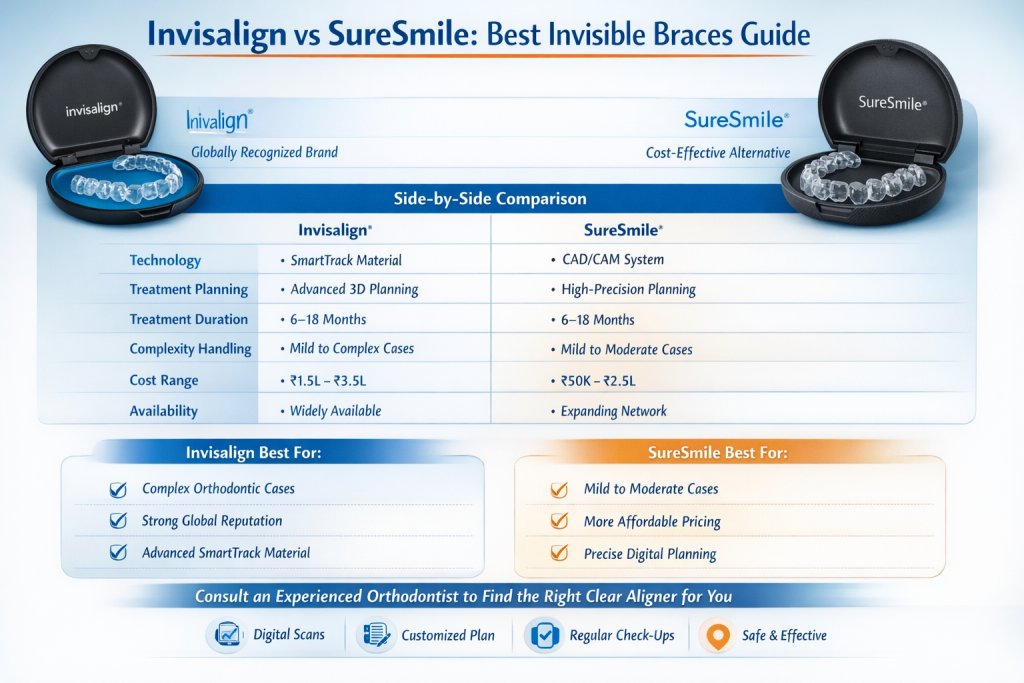
Regardless of your choice, you must maintain excellent oral hygiene to prevent decay or permanent staining. Your dentist or orthodontist is the only person qualified to assess your bite and suggest the right system; never attempt DIY kits that bypass professional supervision. Check your dental insurance policy before you start, as coverage limits vary by plan and often exclude certain types of cosmetic-only work. If you notice persistent pain or loose brackets, contact your provider immediately rather than waiting for your next scheduled appointment. This ensures your treatment stays on track and protects your long-term investment in your smile.
How long does treatment usually take?
Most patients complete their treatment in 12 to 36 months, though the exact timeline depends on the severity of your misalignment. Your orthodontist will provide a specific estimate based on your initial scan and the complexity of your bite.
Is it painful to wear aligners?
You’ll feel mild pressure for two to three days each time you switch to a new tray. This discomfort is a sign that the plastic is successfully moving your teeth into their new, aligned positions.
What happens if I lose a tray?
Call your orthodontist immediately to see if you should move to the next tray or wear a previous set. Never try to force a different tray into place, as this can damage your roots or delay your progress.
Can I eat while wearing aligners?
No, you must remove your aligners every time you eat or drink anything other than water. Leaving them in while eating can cause the plastic to crack and trap food acids against your enamel.
How often do I need to see the doctor?
You’ll typically visit the office every four to ten weeks depending on your specific treatment plan. These visits allow the provider to monitor tooth movement and adjust your wires or provide new aligner sets.
Are metal braces always cheaper?
Yes, metal braces are generally the most affordable option because the materials are standard and the process is well-established. Ceramic braces and clear aligners involve higher material costs and specialized digital mapping fees.
Is it safe to use clear aligners?
Yes, when provided and monitored by a licensed orthodontist, clear aligners are a safe and effective way to straighten teeth. You should avoid unmonitored mail-order kits that lack direct clinical oversight during your care.
Align technology, in short
Choosing between these options is a big decision for your smile and your budget. Since every mouth is unique, it’s best to schedule a consultation with a local orthodontist. They’ll assess your specific needs and help you decide which path fits your lifestyle best. You won’t regret getting that professional advice soon.
Related guides
