
Hlh Mold Technology Co Ltd Company Overview
HLH Mold Technology Co Ltd provides rapid prototyping, low-volume manufacturing, and custom injection molding services from its headquarters in Dongguan, China. This hlh mold technology co ltd company overview outlines the firm’s role in helping product developers move from digital design to physical parts using various industrial production methods.
HLH Mold Technology Manufacturing Capabilities
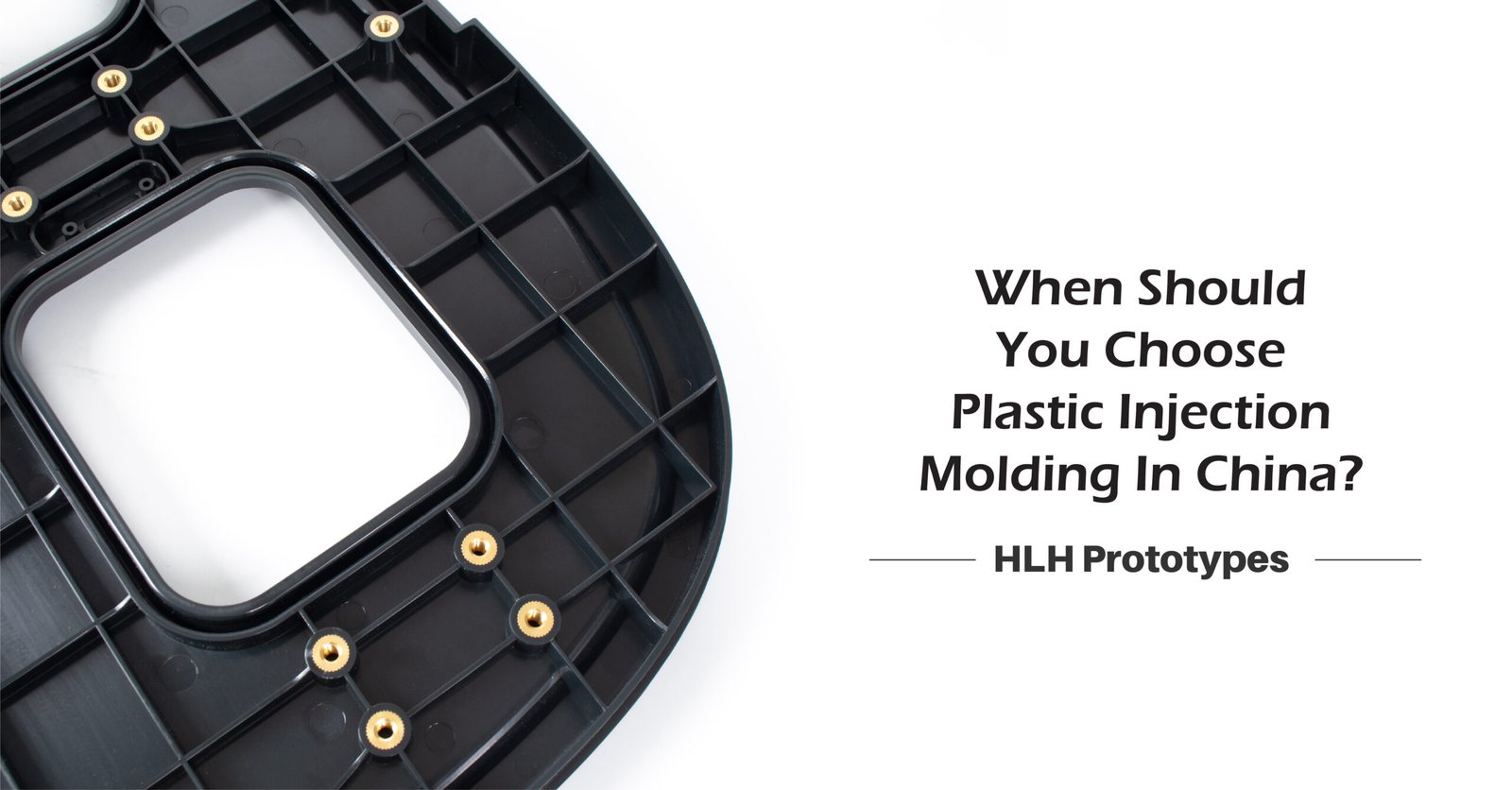
This company functions as a contract manufacturer, primarily serving engineers and product designers who need parts quickly. They specialize in turning CAD files into finished plastic or metal components. Most clients come to them when they have a prototype that needs to move toward functional testing or small-batch production. A common mistake people make is sending files that aren’t ready for manufacturing; this often causes delays because the team must request design changes to ensure the parts can be pulled from a mold correctly. If you have a simple shape, you might use 3D printing; if you need high-volume durability, you’ll choose injection molding.
Standard Production Workflow
- Upload your 3D CAD files to the company portal for an initial review.
- Receive a feasibility report that notes if your geometry works for the chosen process.
- Approve the quote and finalize the materials list for your specific component.
- Wait for the tooling or printing phase to begin once the deposit is paid.
- Review the first-article inspection report to confirm dimensions meet your requirements.
- Receive your finished production run via international courier once quality checks finish.
The biggest difference between a smooth project and a delayed one is the quality of the initial design file. If your wall thickness isn’t consistent, you’ll likely face warping issues later. Always ensure your design follows ISO 20457:2018 standards for plastic molded parts to avoid common tolerance problems.
Key Production Parameters
The following table shows the typical options you’ll encounter when working with this manufacturer. These settings depend on your specific material choice and the complexity of your part geometry.
| Process | Typical Turnaround | Best For | Material Options |
|---|---|---|---|
| CNC Machining | 5–10 days | Metal prototypes | Aluminum, Steel, Brass |
| 3D Printing | 3–7 days | Visual models | ABS, Nylon, Resins |
| Injection Molding | 15–30 days | Mass production | PP, PE, PC, Nylon |
| Vacuum Casting | 10–15 days | Small batches | Polyurethane resins |
Quality Control Standards
Experienced developers know that checking the first batch is the only way to ensure success. Before you order a large quantity, you should request a single sample or a small pilot run. This allows you to test the fit and finish in your actual assembly. If the part doesn’t fit, you can still adjust the mold or the design before you commit to the full production cost. Never assume the factory will catch a design flaw that prevents assembly; they check for manufacturing defects, not for your product’s internal logic or mechanical performance.
Common Manufacturing Issues
| What you notice | What it usually means | What to do first |
|---|---|---|
| Sink marks on surface | Uneven cooling or thick walls | Add ribs or reduce wall thickness |
| Part stuck in mold | Lack of draft angle | Increase angle on vertical walls |
| Flash on edges | High pressure or loose mold | Check clamping force settings |
| Warping after cooling | Material stress | Adjust cooling time in mold |
Regulations and Compliance
Contract manufacturing in China must align with international quality management systems to ensure consistency. Most reputable shops follow the ISO 9001 standard for quality management. This certification requires the company to document every step of their process, from receiving raw materials to shipping the final product. If you require specific medical or food-grade certifications, you must state this clearly during the quoting phase. Not every production line is equipped for these environments, so you must ask for their specific compliance documentation before you start your project.
Maintaining Your Tooling
Once your production run finishes, the factory stores the metal molds for future use. Molds can last for thousands of cycles, but they eventually wear out. You should perform a visual inspection of your parts every time you receive a new shipment. If you see burrs or inconsistent textures, it’s a sign that the mold needs polishing or repair before your next order.
When to Choose Alternatives
This approach isn’t right if you need a single prototype for a quick trade show and have a very tight budget. In that case, look for local 3D printing services to save on shipping costs. If you need millions of parts per year, you should look for a larger facility that specializes in high-volume automation. This company excels at the middle ground—prototyping and low-to-medium volume production—rather than ultra-cheap mass consumer goods.
Can I get a quote without a CAD file?
No, you need a 3D CAD file to receive an accurate quote because the software calculates volume, surface area, and complexity directly from your digital model.
How do I know if my design is ready for molding?
You’ll know your design is ready when you have applied correct draft angles to all vertical surfaces and ensured uniform wall thickness throughout the entire part.
Is it safe to send my proprietary designs?
Yes, you can request a non-disclosure agreement before sharing your files to ensure your intellectual property remains protected by a legal contract between you and the manufacturer.
How long does it take to ship parts?
Shipping times vary by your location and the courier service selected, but you should typically allow five to ten days for international air freight from China to your facility.
What happens if the parts are defective?
If parts arrive outside of your specified tolerances, you must provide photos and measurement reports to the company to initiate a claim or a replacement production run.
Why does injection molding take longer than 3D printing?
It takes longer because the manufacturer must design and cut a custom metal mold specifically for your geometry before they can begin the actual injection process.
Hlh mold, in short
Whether you’re refining a prototype or preparing for full-scale production, their team is ready to help bring your vision to life. You shouldn’t hesitate to reach out for a project consultation today. They’ll review your design files and provide a clear plan so you can get your product moving forward quickly.
