
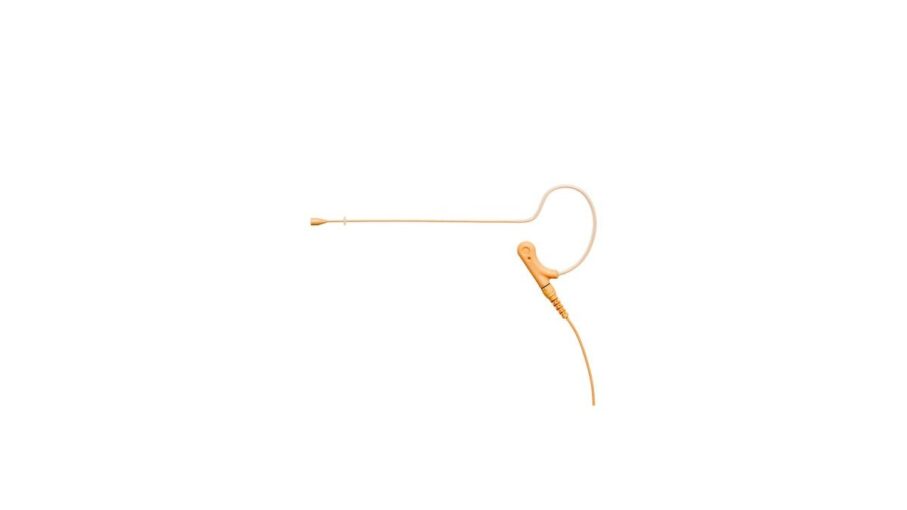
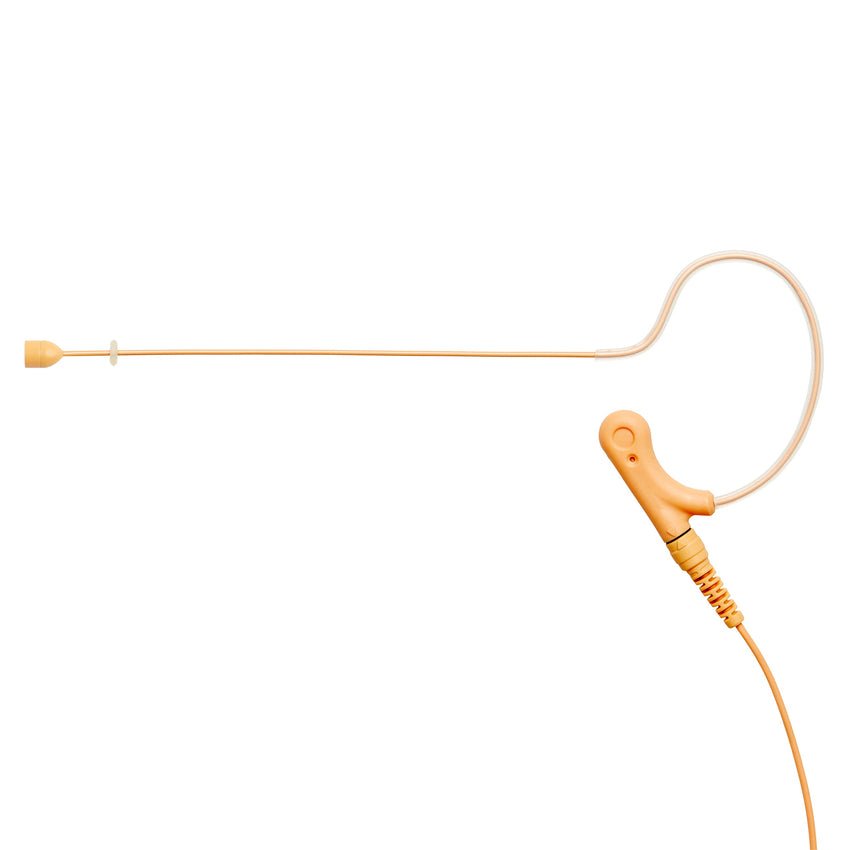
Airwave Technologies Hsd-Titanium Single-Ear Headset Microphone
You should repair your airwave technologies hsd-titanium single-ear headset microphone when the cable shows minor fraying or the connector is loose, but you must replace it if the internal transducer fails or the boom arm loses its structural tension. Most professional audio gear is designed for modular maintenance.
Maintaining your Airwave Titanium headset
| If this is true | Repair | Replace |
|---|---|---|
| Cable is frayed | Replace cable | No |
| Connector is loose | Resolder plug | No |
| Audio is distorted | No | Replace unit |
| Boom arm is broken | No | Replace unit |
| Under factory warranty | Contact support | No |
| Failed three times | No | Replace unit |
Fixing your audio equipment
Repairing is the right call when the damage is limited to external components like cables, windscreens, or the connector plug. These parts take the most physical abuse during daily use and are often designed to be easily swapped. If you have basic soldering skills or access to a local electronics shop, fixing a loose wire or replacing a 3.5mm or mini-XLR connector is very cheap. It usually costs less than 20% of a new headset price. However, this assumes you have the correct schematics for the wiring pinout. If you’re unsure about the internal signal flow, don’t attempt to open the capsule housing yourself. Opening the sealed microphone element often destroys the fine diaphragm, which makes the microphone unusable.
When to buy a new unit
Replacing the headset is necessary when the core audio quality degrades permanently or the mechanical structure fails. If the microphone capsule itself produces static or has lost its sensitivity, it’s almost impossible to fix without specialized factory equipment. These components are sealed at the Airwave Technologies product specifications page to ensure consistent audio performance. If the boom arm no longer holds its position in front of your mouth, the internal tension spring or plastic housing has likely fatigued. Trying to glue or tape these parts rarely lasts more than a few days. If the unit has already been repaired twice, the cost of labor and parts will eventually exceed the value of a new, reliable headset.
Hidden costs of equipment failure
- The diagnostic fee a shop charges just to open the device and find the fault.
- The downtime you face while the gear is away for repairs.
- The shipping costs to send the unit to a service center and back to you.
- The secondary cost of needing a backup headset while you wait for the fix.
- The effort of correctly disposing of electronic waste according to local environmental rules.
Questions for your technician
- Can you source the original manufacturer parts to ensure the impedance remains stable?
- What is the estimated labor time, and does that include a full stress test?
- Will this repair void the remaining factory warranty on the rest of the unit?
- Is the cost of this repair more than 50% of the price of a new headset?
If the technician suggests a custom modification, ask for a written guarantee. Professional audio work requires specific tools; if you lack these, you risk damaging the delicate internal wiring.
Features of the Airwave Technologies HSD-Titanium Single-Ear Headset Microphone
When looking for a replacement, focus on the durability of the cable strain relief and the quality of the connector. A headset with a reinforced, detachable cable is a better investment because you can swap the cord without replacing the entire microphone. Prioritize models that use modular, replaceable boom arms, as this is the most common point of failure for single-ear headsets.
Is it safe to repair the microphone myself?
No, it isn’t safe if you lack experience with small-scale soldering, as you risk causing a short circuit or damaging the internal components. If you aren’t comfortable with fine electronics, seek a professional.
How long does a repair usually take?
About three to five business days is standard for most shops, assuming the necessary parts are currently in stock. If the shop needs to order a specific connector, allow for an extra week.
Does the cable type matter for sound quality?
Yes, the cable type affects the signal-to-noise ratio, so always use high-quality, shielded cables. A poor-quality or unshielded cable can pick up electromagnetic interference from nearby lights or power supplies.
What happens if I use the wrong connector?
You’ll likely get no signal at all, or you may cause damage to your bodypack transmitter. Always verify the pinout configuration against your specific transmitter model before plugging in a new or repaired headset.
How often should I clean the microphone?
After every use, wipe the windscreen and boom arm with a dry, lint-free cloth. Moisture and skin oils can break down the plastic housing and corrode the metal contacts over time.
Can I replace just the windscreen?
Yes, you can easily replace just the windscreen, and doing so often fixes issues with breath noise or plosives. These are inexpensive and should be swapped whenever they show signs of wear or debris.
Regular maintenance is the best way to keep your gear working for years. If you notice the audio cutting out, check the connector first, as this is the most common failure point. If the problem persists after a cable swap, it’s time to look for a new unit to ensure your audio remains clear and professional.
Related guides
