
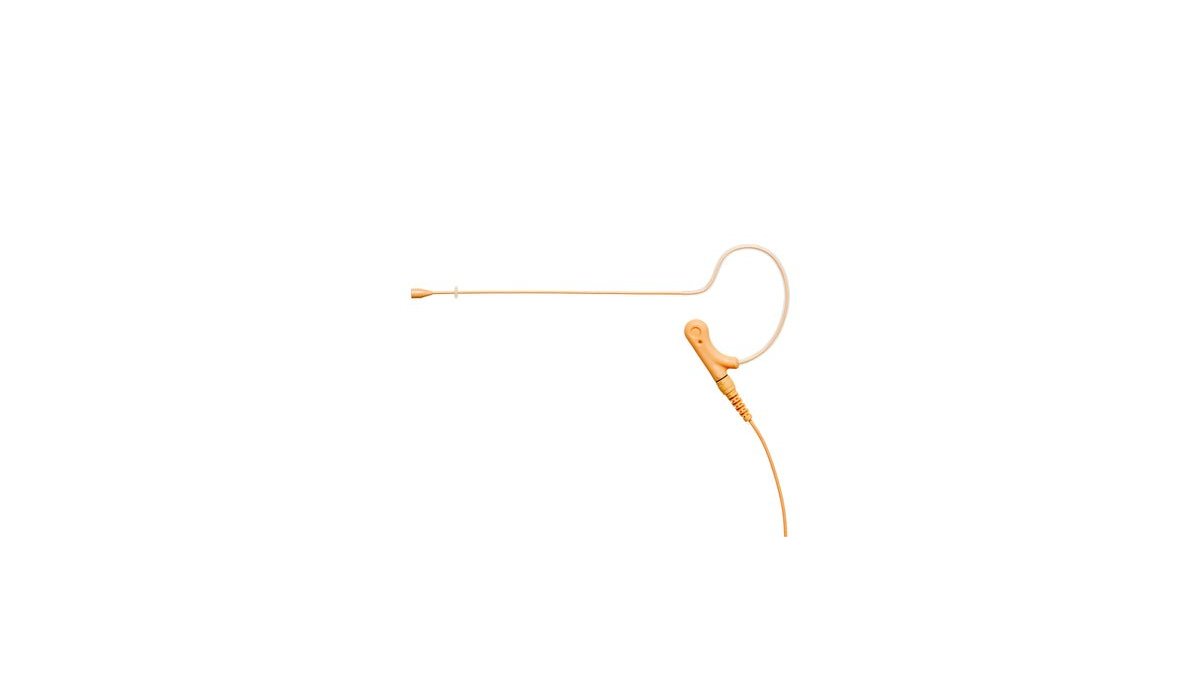
Airwave Technologies Hsd-Titanium Premium Single Ear Headset Microphone
You should repair your gear if the cable is frayed but the capsule works, but you must replace the airwave technologies hsd-titanium premium single ear headset microphone if the element itself has failed or the boom arm has snapped. If the unit is under warranty, contact the manufacturer first.
Assessing your premium titanium headset repairs
Photo: www.airwavetechnologies.com on Google
| If this is true | Repair | Replace |
|---|---|---|
| Cable frayed near plug | Easy fix | Too risky |
| Audio cuts in/out | Check connector | Replace cable |
| Boom arm snapped | Not possible | Buy new unit |
| Capsule sounds distorted | Not possible | Replace unit |
| Still under warranty | Contact maker | Don’t fix |
| Used over five years | Not worth it | Time for upgrade |
Why fixing is the right choice
Repairing a headset is the smart move when the damage is limited to the external connection points. If your cable has a loose connection or the plug has bent, a technician can often resolder the contacts in under thirty minutes. This is cost-effective because the expensive internal transducer remains untouched. You should only attempt this if you own a soldering iron and have experience with delicate electronics. If you lack these tools, the cost of paying a professional service shop to fix a simple wire often approaches the price of a new unit. According to Occupational Safety and Health Administration guidelines, damaged electrical cords pose real hazards, so never attempt to patch a frayed cord with electrical tape; it must be replaced or professionally repaired.
Why replacing is the right choice
Replacing the headset is necessary when the microphone capsule itself loses sensitivity or produces constant static. Once the internal diaphragm of a high-end microphone degrades, it can’t be repaired to its original factory specification. You’ll spend more money trying to force a fix than you would on a brand-new unit. Furthermore, if the boom arm has metal fatigue or the plastic housing has cracked, the structural integrity is gone. Attempting to glue these parts rarely lasts, and you risk the microphone falling during a live performance or recording session. If you have already repaired the cable twice in the last year, the internal wiring is likely brittle. Stop spending money on temporary patches and invest in a new, reliable piece of equipment.
Hidden costs of maintenance
- The diagnostic fee charged by a shop just to open the casing.
- The shipping cost to send the unit to a repair center.
- Lost productivity or income while you wait for the repair.
- The high probability that a second failure happens shortly after the first.
- The logistical effort of properly disposing of old, non-recyclable electronic parts.
- The time spent setting up and testing a device that may still be unstable.
Questions for your service technician
- Can you guarantee the original frequency response after the repair? (This determines if the audio quality stays consistent.)
- Is the replacement cable shielded to prevent interference? (Poor shielding causes hums and buzzes in professional environments.)
- Do you have the specific parts for this model? (Universal parts often fit poorly and break again.)
- What is the total estimated labor time? (If labor exceeds half the cost of a new unit, it isn’t worth the expense.)
Preventing future microphone failure
Photo: www.springtree.net on Google
To stop the same issues from recurring, focus on how you store the headset. Never wrap the cable tightly around the boom arm, as this creates stress fractures in the internal copper strands. Always use a dedicated hard-shell case to prevent the boom arm from bending when the unit is in your gear bag. Finally, check the connector pins before every use for signs of oxidation. If you see green or dark buildup, use a dry, soft-bristled brush to clean them gently. Keeping the connections clean prevents the high-resistance issues that lead to signal failure.
Can I fix a broken cable with tape?
No, you should never use tape to fix a damaged audio cable. Tape doesn’t repair the internal wire, and it fails to provide the necessary electrical shielding, which often causes loud buzzing or total signal loss during use.
How long should a headset last?
A professional-grade headset typically lasts three to five years with daily use and careful storage. If you notice audio degradation before this, it’s usually due to improper storage or excessive cable tension during packing.
Is it safe to solder my own equipment?
It’s safe if you’re trained in electronics repair, but you risk voiding your warranty or causing a short circuit if you’re not. If you’re unsure, always consult a professional technician to avoid damage.
What happens if I keep using a failing mic?
You risk losing your audio signal at a critical moment during a live event or recording. A failing connection often causes intermittent pops and clicks that can damage sensitive speakers or audio interface inputs over time.
Does the age of the headset matter?
Yes, older headsets suffer from material fatigue in the plastic housing and oxidation on the internal solder joints. If your unit is quite old, the cost of one repair usually outweighs the remaining value.
Can I replace just the boom arm?
You can only replace the boom arm if the manufacturer sells it as a separate modular part. Check the official product documentation or the manufacturer’s website to see if your specific model supports modular repairs or replacements.
Airwave technologies, in short
Keeping your equipment in top shape ensures you won’t face any unexpected silence during your next performance. Once you’ve settled on a replacement, take a moment to store it in a protective hard case when it’s not in use. You’ll save yourself a lot of trouble and keep your audio sounding crisp.
Related guides
