

- You are here:
- Home »
- Technology »
- The Ethical Implications of Ai: Balancing Innovation And Responsibility
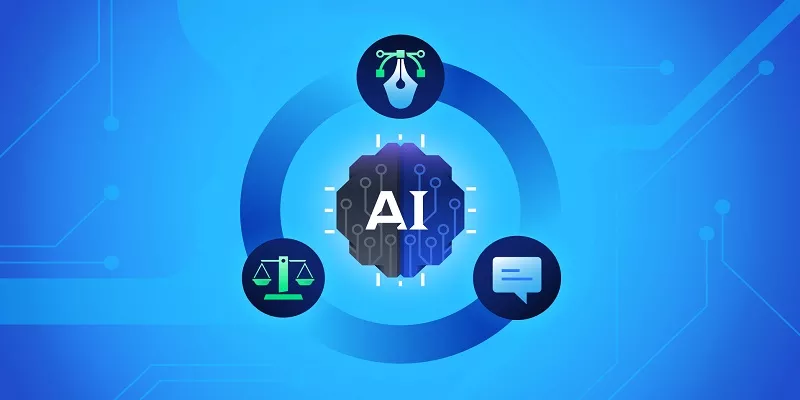
The Ethical Implications of Ai: Balancing Innovation And Responsibility
Last Updated on May 9, 2025 by Jim C.
The ethical implications of AI balance innovation and responsibility, raising important questions about the use and impact of this technology. As AI continues to advance at a rapid pace, it is crucial to address these ethical concerns to ensure the responsible development and deployment of AI systems.
This article explores the ethical challenges associated with AI, emphasizing the need to strike a delicate balance between technological progress and ethical considerations. By considering the potential risks and benefits of AI and implementing ethical frameworks, we can navigate this evolving landscape with a focus on moral responsibility and sustainable innovation.
The Rise Of Ai Technology

Artificial Intelligence (AI) technology is rapidly advancing, revolutionizing various industries and transforming the way we live and work.
Ais Impact On Society
AI is reshaping the job market by automating tasks and improving efficiency. It can enhance healthcare by diagnosing diseases accurately and quickly.
Ethical Concerns
AI raises concerns about privacy invasion through data collection and surveillance. There is a risk of bias in AI algorithms leading to unfair decisions.
Challenges In Ethical Ai Development
With the rapid advancements in artificial intelligence (AI) technology, there is a growing need to address the ethical implications that come with its development and deployment. It is crucial to strike a balance between innovation and responsibility to ensure that AI systems operate ethically and without causing harm. There are several key challenges that must be addressed in the development of ethical AI to prevent issues such as bias, discrimination, privacy violations, and data breaches. By understanding and mitigating these challenges, we can pave the way for a future where AI truly benefits society.
Bias And Discrimination
One of the major challenges in ethical AI development is the potential for bias and discrimination in AI systems. Due to the reliance on vast amounts of data, AI algorithms can unintentionally learn and perpetuate the biases present in those datasets. This can lead to unfair and discriminatory outcomes in areas such as hiring, lending, and criminal justice. It is essential to identify and address these biases to ensure fairness, equality, and inclusivity in AI systems.
Privacy And Data Security
Another significant challenge is the protection of privacy and data security in the development of AI. AI systems often require access to large amounts of personal data to function effectively. However, this can raise concerns about the misuse or unauthorized access to sensitive information. Ensuring robust data protection measures, like encryption and secure storage, is crucial to maintaining individuals’ privacy and preventing data breaches that can have severe consequences for individuals and organizations alike.
Achieving Ethical Ai: Regulatory Frameworks
The ethical implications of AI are far-reaching, and it is crucial to strike a balance between innovation and responsibility in its development and implementation. Achieving this balance requires the establishment of regulatory frameworks that govern the use of AI technology. These frameworks provide guidelines and rules for both governments and industries to follow, ensuring that AI is developed and used ethically.
Government Policies
Governments play a significant role in shaping the ethical use of AI through the implementation of policies. These policies serve as a legal framework that sets boundaries and ensures that AI technology is used in a manner that aligns with societal values and interests. Governments can regulate AI by:
- Setting standards for data privacy and security to protect individuals’ rights and prevent misuse of personal information.
- Facilitating transparency in AI algorithms and systems to ensure accountability and avoid algorithmic bias.
- Establishing guidelines for the ethical deployment of AI in sensitive sectors such as healthcare and finance.
- Creating regulatory bodies to oversee AI development, implementation, and compliance.
Industry Standards
In addition to government policies, industry standards are vital in achieving ethical AI. These standards provide guidance for organizations and developers in creating and using AI technology responsibly. industry standards can be implemented by:
- Encouraging organizations to adopt ethical principles and codes of conduct when developing and deploying AI.
- Promoting responsible and unbiased collection and use of data.
- Establishing comprehensive testing and evaluation processes to ensure the reliability and safety of AI systems.
- Fostering collaboration and knowledge-sharing among industry stakeholders to address emerging ethical challenges.
By adhering to industry standards, organizations can demonstrate their commitment to responsible AI development and gain the trust of their customers and stakeholders.
Promoting Responsible Ai Innovation
Ethical Decision-making In Ai
AI ethics crucial in shaping responsible use of technology. Companies must prioritize ethical considerations in creating AI systems.
Public Awareness And Education
Public education vital in ensuring ethical AI adoption. Educating individuals on AI implications fosters responsible use.
Frequently Asked Questions
What Are The Potential Risks Of Ai Technology?
AI technology has the potential to raise ethical concerns, such as bias, privacy invasion, and job displacement.
How Can Ai Be Used To Benefit Society?
AI can be used to improve healthcare, enhance efficiency in various industries, and address global challenges like climate change.
What Are The Key Ethical Considerations In Ai Development?
Ethical considerations in AI development include ensuring transparency, accountability, and fairness in decision-making processes.
How Can We Address The Ethical Implications Of Ai?
Ethical implications of AI can be addressed through collaboration between technology experts, policymakers, and ethicists to create robust guidelines and regulations.
What Role Does Responsible Innovation Play In Ai Development?
Responsible innovation in AI development involves balancing technological advancement with ethical considerations to ensure positive societal impact.
Conclusion
As the use of AI grows, so do ethical concerns. Striking a balance between innovation and responsibility is crucial for society’s wellbeing. Embracing transparency, accountability, and ethical guidelines can help navigate the complex landscape AI presents. Ultimately, it’s our collective duty to ensure AI serves humanity ethically and responsibly.
About the Author Jim C.
Jim C. Clark is the lead tech blogger at TechnoHacks.net, where he delivers insightful content across a wide range of digital topics. With a keen interest in emerging technology and practical tools, Jim writes in-depth articles on AI, Python, software, and the latest apps. He also shares expert advice on freelancing, digital marketing, SEO, and business growth strategies. Known for his clear, engaging writing style, Jim breaks down complex concepts into actionable insights. Whether he's recommending the best free tools 🧰 or explaining “how to” guides, Jim’s goal is to empower readers with the knowledge they need to thrive in the digital world.
Related Posts
23 Oct, 2026Advantis Technologies Leisure Time Complete Bromine Spa Care Kit
22 Oct, 2026A Better World Spirituality and Technology Advancement Scholarship
22 Oct, 2026220W 12V Monocrystalline Solar Panels W/ 10Busbar Technology -Newpowa
21 Oct, 2026Toyota Bz4x Technology Features for Tacoma Drivers