
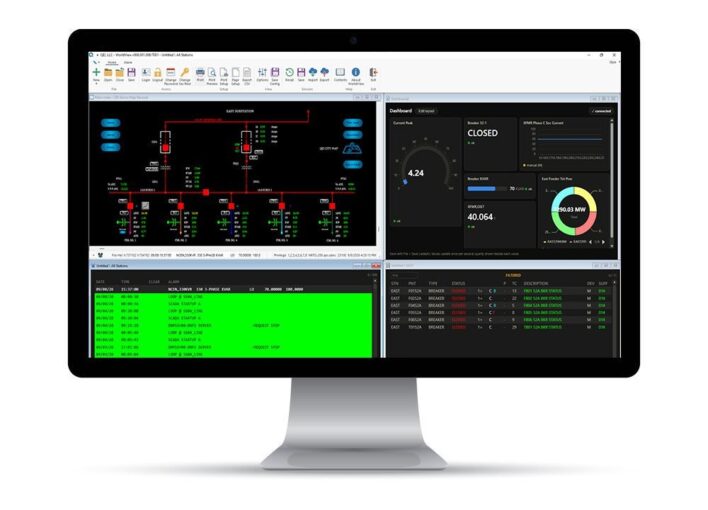
City of Springfield Fl Meeting Minutes Technology Software
The City of Springfield, Florida provides public access to official records through its city clerk’s office, which serves as the central hub for all city of springfield fl meeting minutes technology software and digital document management systems currently in use to maintain transparency for local residents.
Public records management relies on consistent digital archiving to ensure documents remain searchable and accessible for years. The primary factor determining how quickly you find these minutes is the search interface used by the clerk’s software. A common mistake is searching for broad terms instead of specific dates or meeting types, which often returns thousands of irrelevant results.
Finding Springfield meeting minutes and software records
The process for retrieving digital records involves navigating the city’s official portal to locate archived files.
- Visit the official city website and locate the “City Clerk” or “Public Records” tab on the main navigation menu.
- Select the “Meeting Minutes” database to open the search interface provided by the city’s document management software.
- Input the specific date or the type of board meeting you wish to view into the search fields provided.
- Filter your results by year if the initial search returns too many documents to review manually.
- Download the PDF file to your local device to read the full text of the minutes offline. Tip: If the search returns no results, try removing the specific board name and searching by date range alone.
- Contact the Clerk’s office directly if you can’t locate a specific record, as some older documents may exist only in physical format. Tip: Requesting older records may require a formal public records request, which follows Florida’s Sunshine Law protocols for processing time.
Search Time Expectations
The time required to retrieve documents depends on the age of the record and the current state of the city’s digital database.
| Situation | Retrieval Time | What changes it | What to watch for |
|---|---|---|---|
| Recent minutes | Under 1 minute | Browser speed | Pop-up blockers |
| Archived (1-5 years) | 2–5 minutes | Search specificity | File naming format |
| Historical (10+ years) | 1–3 business days | Digitization status | Office workload |
If your search takes longer than expected, verify that your browser isn’t blocking the PDF viewer plugin.
Identifying Completed Records
You know the document is finalized when the minutes include the signature of the City Clerk and the presiding officer. Official minutes are usually posted only after they have been formally approved during the subsequent public meeting. If a document is labeled as “Draft,” it isn’t yet the legal record of the proceedings. The Florida Department of State provides guidance on how local government agencies must maintain these public records to ensure they meet state legal requirements for accessibility and long-term preservation.
Common Retrieval Errors
- Using incorrect keywords: Searching for general topics instead of specific meeting dates often leads to dead ends. Use the calendar feature to narrow your window to a specific month or year.
- Assuming all records are digital: Many older meeting minutes remain in paper form and haven’t been scanned into the software. Always call the clerk if your digital search doesn’t yield the document you need.
- Ignoring file extensions: Some systems require specific software to open archived files, which can cause errors if your device isn’t compatible. Ensure your system can open standard PDF formats before starting your search.
- Misunderstanding approval status: Searching for minutes immediately after a meeting ends is a mistake because they must be approved first. Wait at least one full cycle for the board to review and adopt the document.
Frequently asked questions
Can I request records by email?
Yes, you can request records by email by contacting the City Clerk’s office directly through their official address. Florida law requires agencies to provide a reasonable method for public records requests, and email is a standard, efficient way to submit these inquiries for specific meeting documents.
How often are meeting minutes updated?
Minutes are typically updated within five to ten business days following the approval of the draft at the next scheduled meeting. This delay allows the clerk time to finalize the text and ensure all recorded motions match the official audio or video transcript of the proceedings.
Is it safe to download city documents?
Yes, it’s safe to download city documents from the official municipal website as these files are hosted on secure government servers. Always ensure you’re on the verified “.gov” domain before downloading any files to avoid potential security risks from third-party sites hosting unofficial documents.
What happens if a record is missing?
If a record is missing, the City Clerk’s office will perform a manual search of their physical archives to determine if the document exists in another format. If the record is lost or destroyed, they will provide a formal explanation regarding the status of that specific public file.
How long do I have to wait for a response?
The response time for a formal public records request is governed by Florida law, which requires a reasonable timeframe based on the volume of the request. Most simple requests for specific meeting minutes are processed within three to five business days, depending on the current backlog of the office.
How do I search by meeting type?
You can search by meeting type using the category filter in the advanced search menu. Most systems allow you to select specific options like “City Council” or “Planning Board” to isolate the minutes you need. Note that some older records may not be tagged with these categories.
City springfield, in short
If you’re looking to stay informed about local decisions, it’s a great idea to sign up for email notifications through the city’s portal. You’ll get updates sent straight to your inbox, so you won’t miss any important developments. It’s the easiest way to keep track of what’s happening in your community.
