
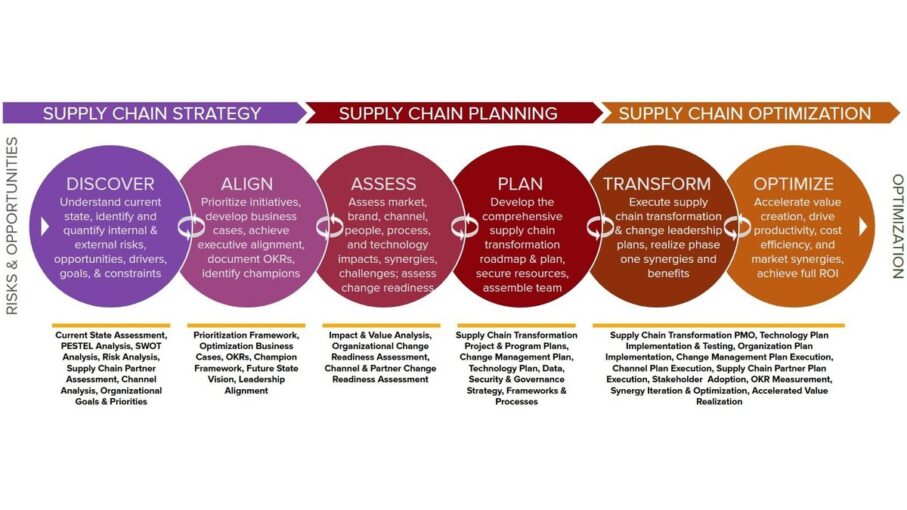
Technology Consulting Business Strategy Alignment Swot Analysis Roi
A successful technology consulting business strategy alignment swot analysis roi requires matching your digital tools to long-term goals while tracking financial returns against initial investment. You gain value by ensuring your tech stack directly supports revenue growth rather than just adding complexity to your daily operations.
Aligning business strategy with technology consulting
Strategic alignment is the process of linking your IT infrastructure with your core business objectives to drive efficiency. It’s intended for leaders who want to stop buying software that doesn’t solve their specific problems. A common mistake is treating new tools as a cure-all for bad processes, which usually results in wasted spending without any real gain. The ISO 9001 quality management standards provide a global framework for how organizations should manage processes and resources to meet consistent objectives. By aligning technology with these standards, you ensure that every digital upgrade serves a documented purpose rather than just following the latest industry trends.
Evaluating your current digital position
- List all current software licenses and hardware assets you use daily.
- Identify which tools directly contribute to your primary revenue streams.
- Conduct a SWOT analysis by listing your internal strengths and weaknesses alongside external market opportunities and threats.
- Calculate the total cost of ownership, including subscription fees, training time, and maintenance hours.
- Compare these costs against the revenue or time saved by each specific tool.
- Remove any technology that doesn’t provide a clear, measurable benefit to your core business goals.
The decision rule is simple: if a tool costs more in time and fees than the profit it generates, you must either automate it further or replace it. This process requires honesty about what your team actually uses versus what was purchased for “potential” value.
Metrics for evaluating tech investments
| Situation | What to use | How long | What to watch for |
|---|---|---|---|
| New software rollout | Pilot program | 30 days | User adoption rates |
| Infrastructure upgrade | ROI calculation | 12 months | Maintenance overhead |
| Cloud migration | Cost-benefit analysis | 6 months | Data security risks |
| Automation tools | Efficiency audit | 90 days | Error reduction rate |
| Legacy system replacement | Gap analysis | 3 months | Integration downtime |
Factors for long-term success
Experienced consultants focus on the sequence of implementation rather than the power of the tool itself. They prepare by cleaning their data before moving to new systems, which prevents the “garbage in, garbage out” trap. When you work in the right order—strategy first, tools second—you avoid the common mistake of paying for features your staff will never use.
They also check progress partway through the rollout. If a system isn’t hitting usage targets by the mid-point, they pause to re-train or pivot. They leave alone the systems that provide stable, low-maintenance value, focusing their attention on the “high-friction” areas that drain resources. This selective focus ensures that your technical strategy remains lean and responsive to market shifts without requiring constant, expensive oversight.
Common obstacles and immediate fixes
| What you notice | What it usually means | What to do first |
|---|---|---|
| Low staff adoption | Poor training or complexity | Simplify the user interface |
| Rising subscription costs | Unused features | Audit and cancel licenses |
| Frequent system errors | Technical debt | Update core firmware |
| Missing data insights | Poor integration | Map data flow paths |
Regulatory and compliance thresholds
Every strategy must respect the laws governing data privacy and industry-specific security. Depending on your region, you may need to follow the General Data Protection Regulation or local cybersecurity guidelines. If your business handles sensitive client information, you’re legally required to maintain specific encryption standards. Failure to comply can result in heavy fines and a total loss of client trust. If you’re unsure about your specific legal requirements, consult with a certified compliance officer. Never attempt to handle complex data security configurations yourself if you lack the necessary certifications, as this could void your liability insurance.
Maintaining your strategic edge
Once your strategy is set, you must review your tech stack regularly to ensure it still serves your goals. Technology changes fast, and tools that were efficient last year may be obsolete today. Keep a record of your ROI calculations to justify future budget requests. If you notice a drop in performance or a spike in costs, it’s time to revisit your SWOT analysis. This cycle keeps your business agile and ready for new market opportunities.
When to seek outside help
You should avoid this do-it-yourself approach if your business handles high-volume financial transactions or sensitive medical records. In these cases, the risk of a configuration error is too high for an internal team to manage alone. Hire an external consultant to perform a formal audit and setup. This ensures you meet industry standards from day one, which is far cheaper than fixing a security breach or a failed system migration after the fact.
How often should I update my technology strategy?
You should update your strategy whenever you notice it’s necessary to keep pace with market changes, though major shifts in your business model require an immediate review of your current stack.
Is a SWOT analysis necessary for small businesses?
Yes, it’s necessary because it forces you to identify which tools are actually helping you compete against larger companies with more resources and higher budgets.
What is the most common sign of poor strategic alignment?
The most common sign is paying for multiple software subscriptions that perform overlapping tasks, which indicates you haven’t integrated your tools into a single, cohesive workflow.
Can I calculate ROI without exact revenue figures?
You can calculate it by using time-saved metrics, where you multiply the hours saved by your staff by their hourly rate to determine the dollar value of the tool.
How long does a standard technology audit take?
A standard audit takes two to four weeks, assuming you have all your license records, user logs, and financial invoices organized and ready for review by your team.
Aligning your technology with your business strategy is a continuous process of checking your results against your goals. By focusing on measurable returns and staying compliant with legal standards, you ensure that your investment in tools supports your growth rather than holding it back.
Related guides
