

Calibre Financial Technology Enterprise Customers Calibreft Calibreft.com
For calibre financial technology enterprise customers calibreft calibreft.com provides software tools to automate complex treasury and investment accounting workflows. This guide covers the core functionality, technical requirements, and operational benchmarks for businesses integrating these systems into their existing financial infrastructure.
Calibre technology for enterprise operations
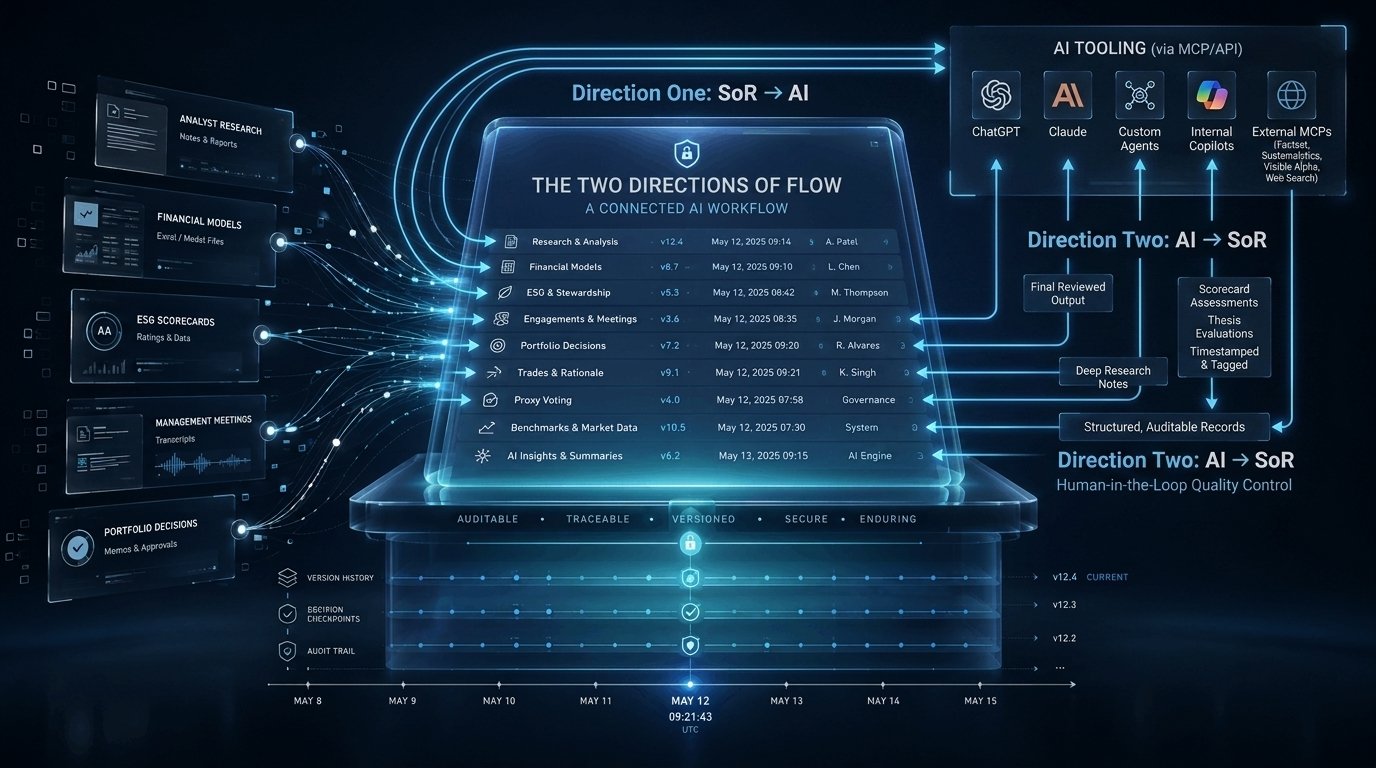
Calibre is a specialized software suite built for the unique needs of investment managers, pension funds, and insurance companies. It acts as a central hub for data reconciliation, portfolio accounting, and regulatory reporting tasks. While many users assume it’s a simple accounting ledger, it’s actually a comprehensive middleware engine that bridges the gap between trade execution and financial statement preparation. The system is designed for high-volume enterprise environments where accuracy and audit trails are mandatory.
Implementing the integration
Integration requires a structured approach to ensure data integrity across your existing databases and the new platform. Follow these steps to map your workflows effectively:
- Standardize your source data formats into CSV or XML files that match the system’s import templates.
- Configure the automated data ingestion windows during off-peak hours to avoid system performance bottlenecks.
- Assign unique identifiers to all asset classes and counterparties to prevent reconciliation errors.
- Run a shadow accounting cycle for thirty days to verify that the software output matches your legacy manual processes.
- Set up automated alert thresholds for failed reconciliations, which notify your treasury team immediately.
- Perform a quarterly data integrity audit to ensure all incoming feeds remain mapped correctly.
Success depends on data mapping quality. Always consult your firm’s internal IT security lead before connecting external data feeds, as NIST Cybersecurity Framework guidance recommends strict vetting of all third-party software connections for enterprise financial data.
Key performance metrics and settings
Efficiency in this system depends on how you configure your daily reporting cycles and data retrieval intervals. The table below outlines the primary configurations used in high-volume environments.
| Situation | What to use | How long | What to watch for |
|---|---|---|---|
| Daily reconciliation | Automated API feed | 15–30 minutes | Unmatched trade count |
| Monthly closing | Batch processing | 2–4 hours | Variance in market value |
| Audit reporting | Export templates | 1–2 hours | Missing ledger entries |
| Asset migration | Bulk import tool | 1–5 days | Data mapping errors |
| User access | Role-based controls | Immediate | Excessive admin rights |
Managing output quality
Experienced users focus on the quality of the raw data before it hits the processing engine. They prioritize the validation step, where they check that the opening balances match the previous period’s closing figures. This order of operations prevents small errors from compounding over time.
Isolate the system from manual spreadsheet overrides. Editing exported reports instead of source data creates a “versioning trap” where reports and software data mismatch. A single source of truth ensures smooth audits.
Common errors and solutions
Technical hiccups are usually caused by configuration drifts or feed interruptions. Use this table to identify the cause of common issues.
| What you notice | What it usually means | What to do first |
|---|---|---|
| Feed connection error | API key expired | Refresh security tokens |
| Mismatched totals | Currency conversion drift | Verify exchange rate source |
| Slow report generation | Large query volume | Filter by specific date range |
| Duplicate entries | Double import trigger | Check log for duplicates |
Regulatory and operational compliance
Enterprise users must adhere to strict financial standards, particularly regarding data retention and auditability. The Securities and Exchange Commission mandates that registered investment advisers maintain books and records that are easily retrievable and protected against alteration. If your firm handles sensitive client data, you must ensure your configuration follows these retention rules. Any change to the system’s core logic or security settings should be documented in your internal compliance log.
System maintenance and longevity
Once your integration is stable, focus on routine maintenance to keep the system running. Check for software updates monthly to address security vulnerabilities and new reporting standards. Store configuration backups in an encrypted, off-site location. If you notice the software performance lagging during peak periods, contact the support team to evaluate if your current server resources are sufficient for your enterprise’s transaction volume.
When to use alternatives
This platform isn’t for small-scale retail accounting or personal wealth tracking. Use standard cloud-based accounting software instead. If your firm requires heavy customization, consider a bespoke software build instead of forcing this tool.
Frequently asked questions

Can this software handle multi-currency portfolios?
Yes, the system supports real-time currency conversion and multi-currency accounting, provided you configure the correct base currency settings for each individual portfolio during the initial setup phase.
How long does the migration take?
Migration typically takes four to eight weeks, depending on the volume of historical data and the complexity of your current asset mapping and legacy system formats.
Is it safe for sensitive data?
Yes, the software uses enterprise-grade encryption for all data at rest and in transit, meeting standard security requirements for institutional financial services providers.
What happens if the data feed fails?
The system will trigger an automated alert to your registered administrator, allowing you to manually restart the feed or investigate the connection issue before the daily closing.
How often should I update the system?
You should check for updates monthly, as the developer releases security and feature patches regularly to ensure the software remains compliant with evolving financial reporting standards.
Does it integrate with existing ledgers?
Yes, the platform offers native export options and API connectors that allow you to push reconciled data directly into standard enterprise general ledger systems.
Maintaining a clean and consistent data environment is the most important factor in ensuring the long-term success of your financial technology implementation.
Calibre financial, in short
Adopting these tools doesn’t just save time; it builds a more resilient foundation for your company’s long-term growth. If you’re ready to streamline your operations, reach out to the support team today to schedule a personalized demo. They’ll help you see exactly how these solutions fit your unique financial needs.
Related guides
