
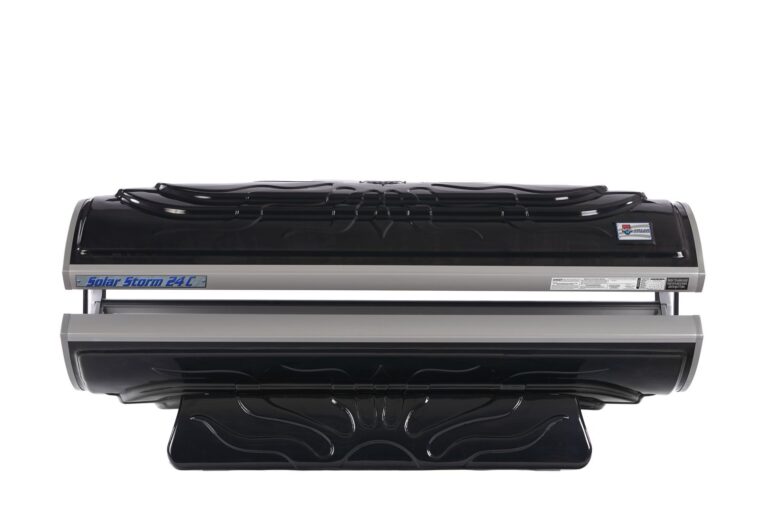
Sun Technologies Wolff Systems Solar Storm 24S 24-Lamp Tanning Bed
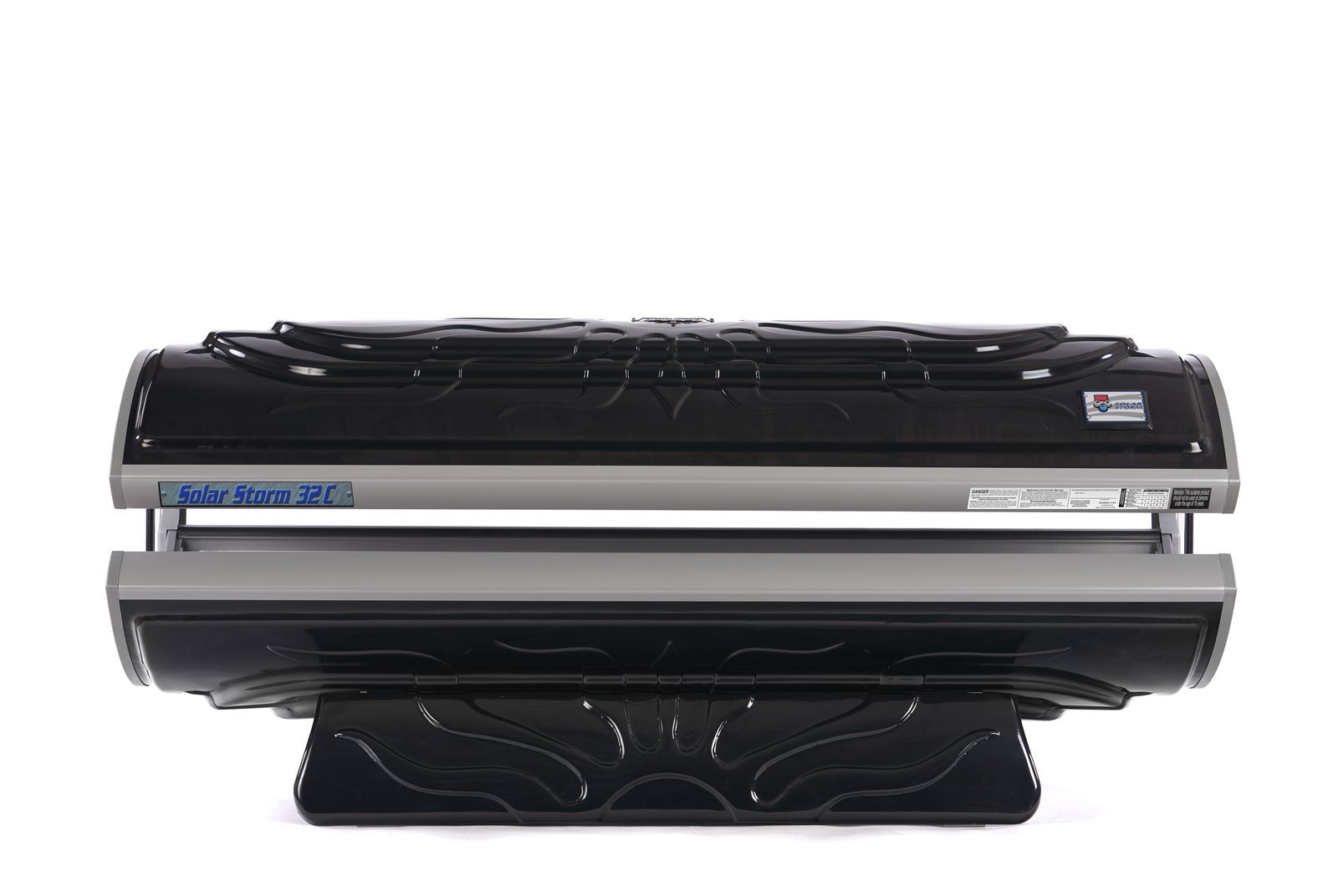
The sun technologies wolff systems solar storm 24s 24-lamp tanning bed requires a dedicated 20-amp circuit and a NEMA 5-20R outlet to function safely in a residential space. This equipment takes about 45 to 60 minutes to assemble with two people, costs vary based on current market availability for used units, and it needs a medium level of mechanical skill to set up correctly. Always check the serial plate on the back of your specific unit for the exact electrical requirements before installation, as factory specifications can change between production years.
Required Setup Components
| Item | How much | Why it’s needed | A substitute |
|---|---|---|---|
| Dedicated Circuit | 20 Amps | Prevents breaker tripping | None — don’t swap this |
| NEMA 5-20R | 1 Outlet | Matches plug prong shape | None — don’t swap this |
| Phillips Screwdriver | 1 Tool | Secures the frame panels | None — don’t swap this |
| Rubber Mallet | 1 Tool | Aligns frame sections | Plastic hammer |
| Safety Glasses | 1 Pair | Protects eyes from dust | None — don’t swap this |
Pre-Installation Safety Steps
- Switch off the power at the main breaker panel to ensure the line is dead before you begin any wiring work.
- Clear a 6-foot by 4-foot floor area to provide enough room for the base and canopy assembly.
- Wear gloves to prevent skin oils from damaging the acrylic surface of the lamps.
- Consult a licensed electrician if your home wiring doesn’t meet requirements, as improper voltage causes fire risks.
Assembly and Power Connection
- Place the bottom base frame on a level floor surface, ensuring the power cord is positioned near your wall outlet.
- Attach the side panels to the base frame using the provided bolts, tightening them until they’re firm but not over-stressed.
- Install the 12 bottom lamps into the sockets by inserting the pins and rotating them 90 degrees until they’re securely seated.
- Lift the canopy assembly onto the gas springs, ensuring the hinge pins are fully seated to prevent the unit from falling.
- Connect the canopy power cable to the base unit’s internal port, matching the male and female ends securely.
- Install the 12 top lamps into the canopy sockets, ensuring the pins are fully inserted and rotated into the locked position.
- Slide the acrylic shields into the tracks on both the top and bottom sections, cleaning them with a damp cloth afterward.
- Plug the main power cord into your NEMA 5-20R outlet, verifying the plug fits snugly without any loose movement.
- Turn on the main breaker and test the timer to confirm the lamps ignite within five seconds of activation.
Verifying Operational Success
The unit is ready for use when all 24 lamps glow with a steady, uniform light without flickering or buzzing sounds. If any lamps remain dark, re-check the pin alignment in the socket, as this is the most common cause of startup failure. If the unit makes a loud humming noise, it may indicate an issue with the ballasts.
Troubleshooting Common Issues
| What happened | Why | What to do |
|---|---|---|
| Unit won’t turn on | Blown circuit breaker | Reset breaker at panel |
| Lamps flicker | Loose pin connection | Re-seat lamp in socket |
| Timer doesn’t count | Faulty internal relay | Contact authorized service tech |
| Unit vibrates loudly | Uneven floor surface | Use shims under base |
| Plastic shell cracks | Over-tightened screws | Loosen bolts slightly |
Maintenance and Usage Frequency
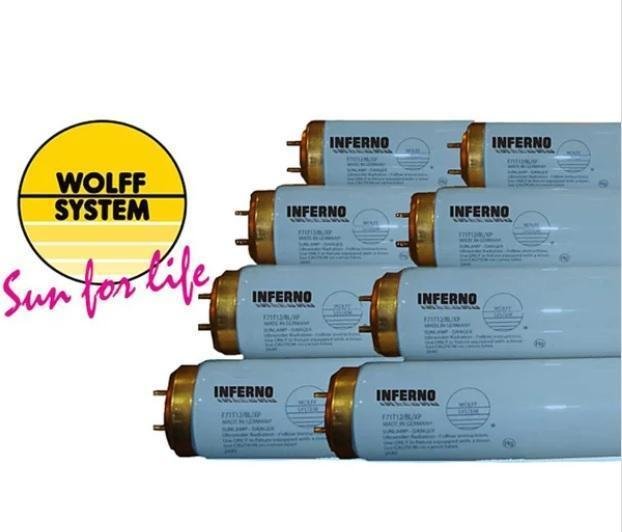
Perform a full cleaning of the acrylic surfaces after every 10 hours of use to maintain UV transparency. If you notice a drop in performance, check the lamp age; these lamps typically lose efficiency after 800 to 1,000 hours of operation. If your environment is humid, wipe the metal components weekly to prevent corrosion. Always consult your doctor before beginning any tanning regimen to determine if it’s appropriate for your specific skin type.
Can I use a standard wall outlet?
No, you can’t use a standard 15-amp household outlet for this unit. It requires a dedicated 20-amp circuit to handle the power draw, and attempting to use a smaller circuit will cause the breaker to trip immediately.
How long do the lamps last?
The lamps last for about 800 to 1,000 hours of use before they lose significant UV output. You should check the manufacturer label on the lamps themselves to find the exact rated lifespan for the specific brand installed.
Is it safe to operate alone?
Yes, it’s safe to operate alone provided you follow the timer instructions and wear approved protective eyewear. Never override the safety timer, as this significantly increases your risk of overexposure and skin damage.
What happens if a lamp breaks?
If a lamp breaks, turn off the power at the breaker immediately to avoid electrical shock. Use heavy gloves to collect the glass shards and dispose of the remains according to your local hazardous waste regulations.
Does the room temperature matter?
Yes, the room should stay between 60 and 80 degrees Fahrenheit for optimal performance. High heat can cause the internal components to overheat, while very low temperatures may prevent the lamps from starting correctly.
How do I know if I need new lamps?
You need new lamps if you notice a significant decrease in tanning results or if the ends of the lamps appear dark or grey. This usually indicates the phosphor coating has degraded, reducing the UV intensity.
Sun technologies, in short
Once you have everything plugged in and ready, take a moment to test the bulbs to ensure they’re all glowing evenly. You’ll also want to keep a soft cloth nearby to wipe down the acrylic surface after every session. It’s a great way to keep your equipment running smoothly for years.
