
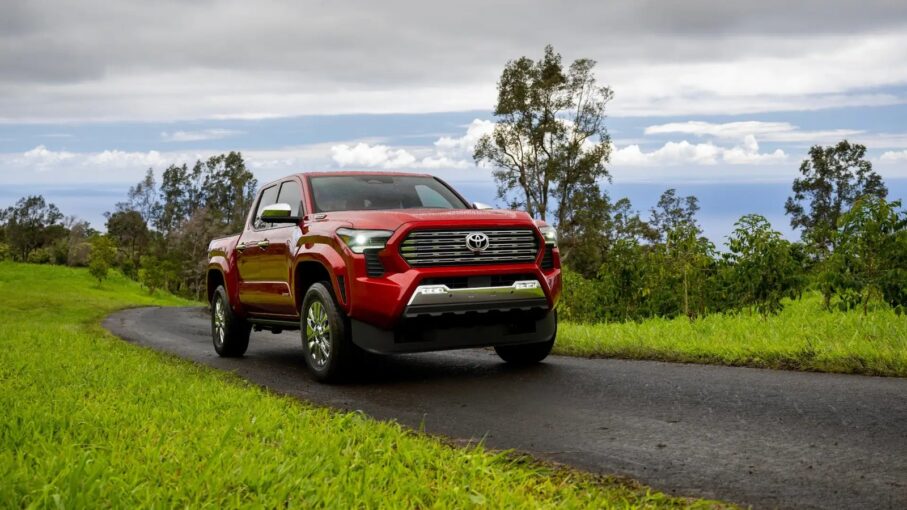
Toyota Bz4x Technology Features for Tacoma Drivers
The Toyota bz4x technology features for tacoma drivers provide a shift from mechanical truck utility to advanced electric efficiency. These systems include a 12.3-inch touchscreen, wireless charging, and safety suites that prioritize connectivity and driver awareness during daily commutes.
Understanding Toyota Technology for Tacoma Drivers
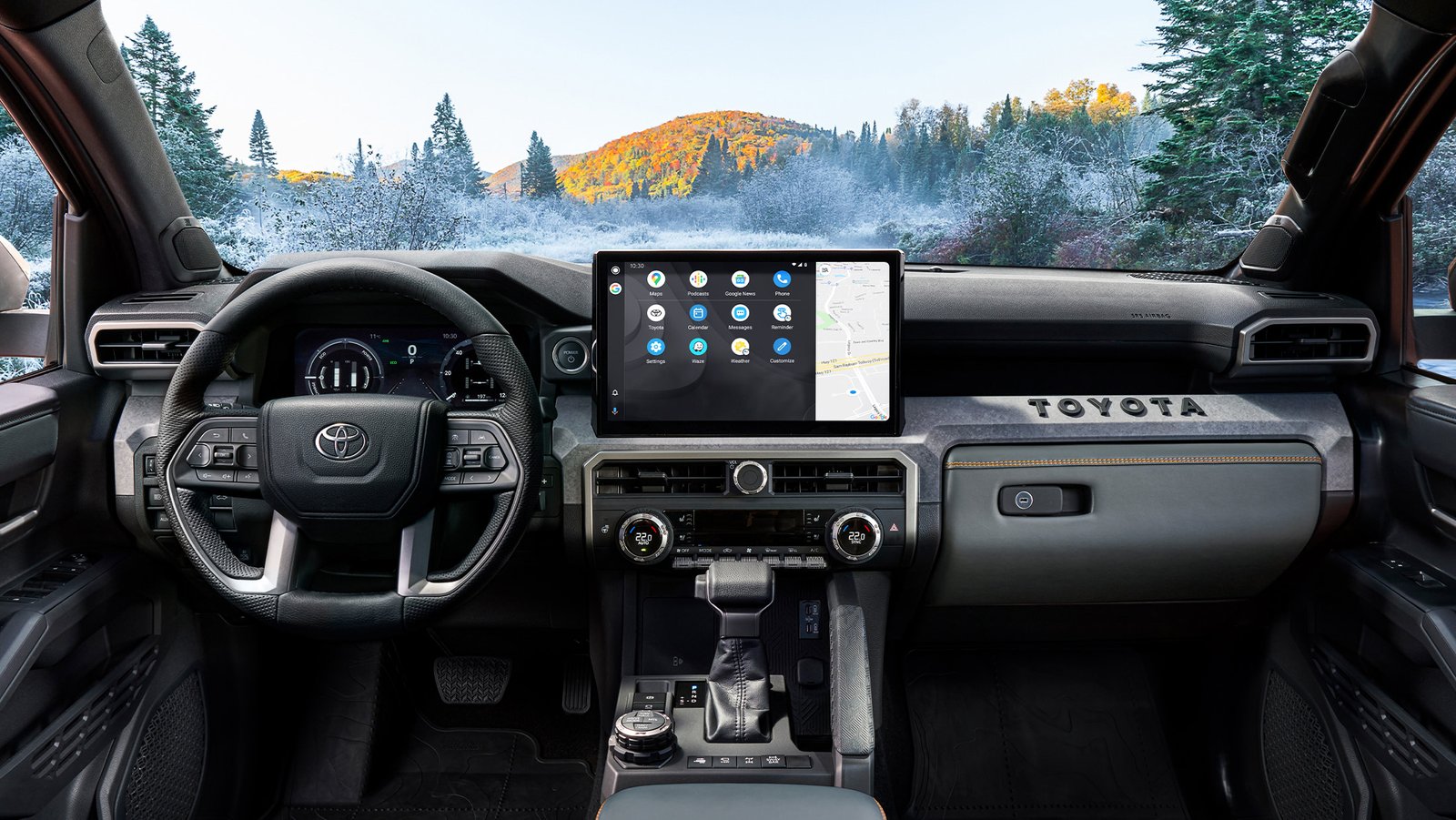
The bz4x functions as a dedicated battery-electric vehicle, contrasting sharply with the internal combustion engines found in the Tacoma line. While your truck relies on mechanical torque and physical gear shifting, this electric platform uses a permanent magnet synchronous motor to deliver instant power. It’s designed for drivers who want to trade fuel stops for home charging, though many Tacoma owners find the change in regenerative braking feel to be the biggest initial hurdle. The vehicle manages energy through its onboard power management unit, which monitors battery health and temperature to ensure consistent range across varying outdoor conditions.
Operating the Digital Interface
Transitioning to an electric interface requires learning new workflows for energy management and navigation. Follow these steps to master the core cabin systems:
- Press the start button once to activate the instrument cluster without engaging the drive motor.
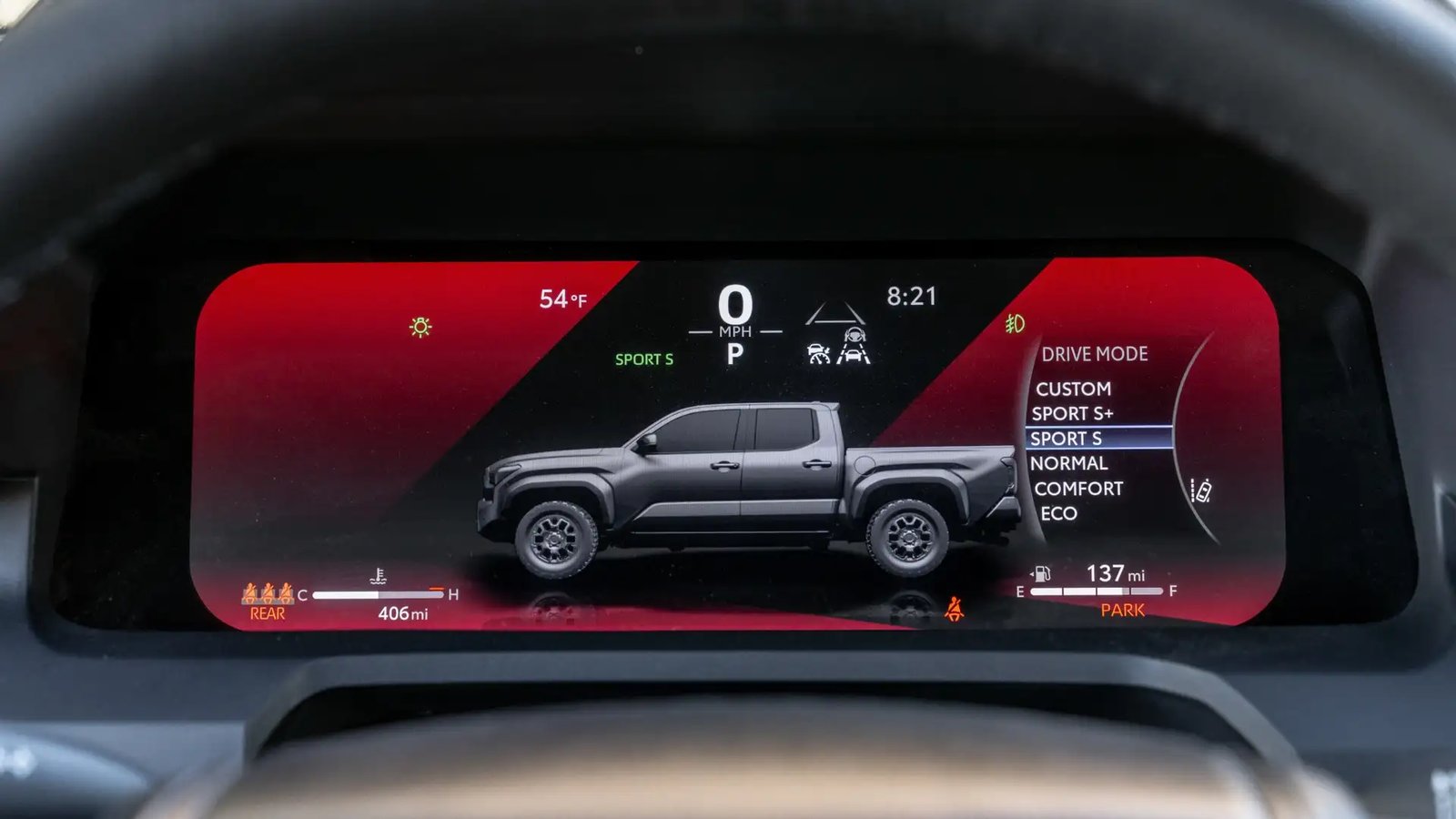
- Use the steering wheel controls to navigate the multi-information display, which shows your current battery percentage and estimated range.
- Access the climate controls on the center console to set your cabin temperature; note that using high heat reduces your driving range by about 10% in cold weather.
- Select the “Drive Mode” button to toggle between Eco and Normal settings, which adjusts throttle sensitivity.
- Plug your phone into the USB-C port or place it on the wireless charging pad to sync your maps.
- Check the Toyota bz4x features page to see how the software updates over-the-air to improve vehicle performance.
Success depends on monitoring your range rather than just the speedometer.
Essential Dashboard Configurations
Drivers moving from a pickup to an electric SUV must adapt to different feedback loops and interface priorities.
| Feature | Tacoma Standard | bz4x Electric | Watch For |
|---|---|---|---|
| Energy Gauge | Fuel Level | Battery % | Range drop in cold |
| Drive Feel | Mechanical | Regenerative | Pedal sensitivity |
| Start Up | Key/Push | Silent Start | Ready light status |
| Navigation | Map View | EV-Specific | Charging stops |
| Software | Basic | OTA Updates | Sync status |
Improving Your Driving Experience
The main difference is how you manage momentum. Experienced electric drivers use “one-pedal” driving, where lifting off the accelerator slows the vehicle significantly while capturing energy back into the battery. If you drive efficiently, you’ll see your range estimate decrease more slowly during city driving.
Troubleshooting Common Tech Issues
When systems don’t respond as expected, use this table to find the likely solution before seeking professional help.
| What you notice | What it usually means | What to do first |
|---|---|---|
| Charging fails to start | Plug isn’t seated | Re-insert charging cable |
| Screen is frozen | System needs refresh | Hold power button 10s |
| Range drops fast | High climate usage | Lower cabin heat |
| App won’t connect | Weak cellular signal | Toggle phone Bluetooth |
Compliance and Safety Standards
Safety systems in the bz4x follow the Toyota Safety Sense 3.0 standard, which includes pre-collision systems and lane departure alerts. These electronic sensors require a clear view of the road; if dirt or ice covers the front emblem, the system may disable itself to prevent false inputs. Never attempt to modify the wiring or the high-voltage battery components yourself, as this poses a severe risk of electric shock and voids your warranty. Always consult a certified electric vehicle technician for any repairs involving the drivetrain or the battery management software.
Long-term Vehicle Maintenance
Maintaining an electric vehicle requires much less effort than a combustion engine. You don’t need engine oil changes, transmission fluid flushes, or spark plug replacements. Focus on the cabin air filter and brake fluid at regular service intervals. If you park the vehicle for an extended period, consult your owner’s manual for specific long-term storage instructions regarding battery state-of-charge.
When to Keep Your Tacoma
This electric SUV isn’t a direct replacement if you frequently tow heavy loads or travel off-road in remote areas. The instant torque is great for city streets, but the range decreases significantly when towing, often by half. If your work requires hauling gear into areas without power grids, the Tacoma remains the superior tool. Use the bz4x for your daily commute and city errands, but keep your truck for the heavy-duty tasks that require extended range and high towing capacity.
Can I charge this at home?
Yes, you can charge using a standard 120V outlet for slow charging or a 240V Level 2 wall charger to reach a full charge overnight for most daily needs.
How long does the battery last?
The battery is designed to last the life of the vehicle, though capacity naturally degrades over time; Toyota provides a warranty covering the battery for 10 years or 150,000 miles.
Is it safe to drive in the rain?
Yes, the electrical components are sealed to strict industry standards, allowing you to drive safely through rain or puddles just as you would with a standard combustion vehicle.
Does the range change in winter?
Yes, cold temperatures reduce battery efficiency, so expect a range decrease of approximately 20% to 30% when temperatures drop below freezing, depending on your cabin heating settings.
What happens if I run out of power?
If the battery reaches zero, the vehicle will stop; you must use a roadside assistance service to tow the vehicle to the nearest charging station for a recharge.
Your transition to an electric platform is mostly about changing your habits rather than learning complex new mechanics. Focus on charging while you sleep and planning your long trips around charging stops, and the system will handle the rest of the work for you.
Related guides
