
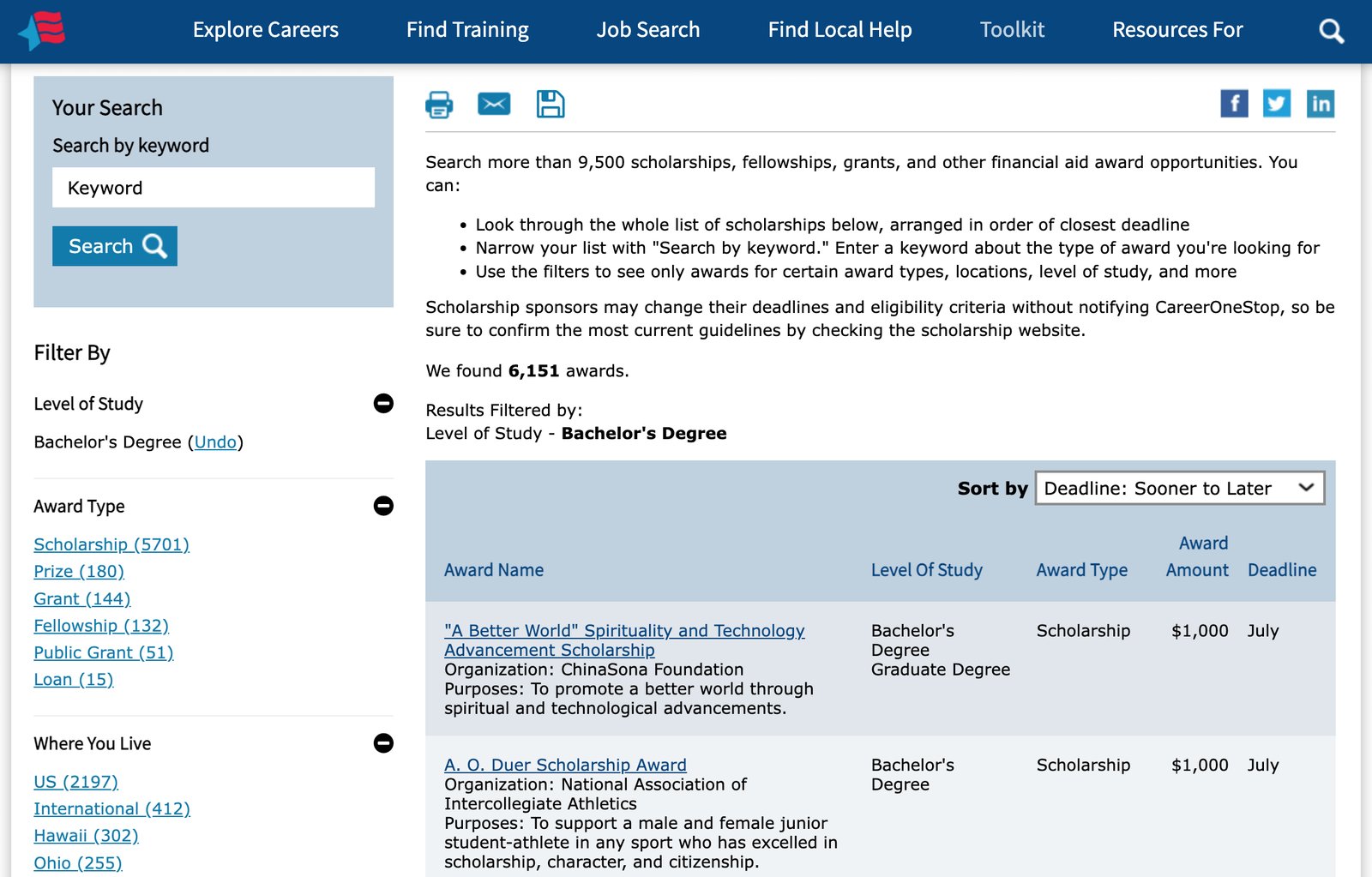
A Better World Spirituality and Technology Advancement Scholarship
Last Updated on October 22, 2026 by Jim C.
A better world spirituality and technology advancement scholarship refers to various educational funding programs that support students exploring the intersection of human consciousness and digital progress. These grants typically offer a modest amount to cover tuition or research costs, depending on the specific donor’s criteria and the applicant’s academic focus.
Advancing spirituality and technology for a better world
This field examines how human values and modern tools can work together to improve society. It’s for students in philosophy, engineering, or theology who want to study how AI and digital connectivity affect our sense of purpose. A common misconception is that this area only focuses on religion; in truth, it looks at how technology changes human interaction and global ethics. If a project aims to improve human well-being through responsible tech, it qualifies for most ethical tech grants. According to the Pew Research Center, the rapid adoption of digital tools creates significant new hurdles for human connection that require thoughtful, interdisciplinary solutions.
Applying for academic funding
- Identify your specific research niche, such as digital ethics or human-centered design.
- Review the eligibility requirements, as many awards require a minimum 3.0 GPA.
- Prepare a 500-word essay explaining how your work bridges the gap between spirit and code.
- Gather two letters of recommendation from professors who know your technical or philosophical background.
- Submit your application at least three months before the semester begins to avoid processing delays.
- Check if the scholarship requires a specific project proposal or just a statement of intent.
Success depends on clearly linking your personal values and technical skills. You must balance technical and philosophical elements to stand out. Balance is essential.
Key funding criteria and metrics
The following table outlines what donors typically look for when awarding funds. These requirements vary by model—check the label on the official scholarship site before applying.
| Requirement | Target Audience | Typical Award | What to Watch For |
|---|---|---|---|
| GPA Threshold | Undergraduate | $1,000 | Minimum 3.0 required |
| Research Focus | Graduate | $5,000 | Must be original work |
| Community Impact | Public Service | $2,500 | Volunteer hours count |
| Tech Proficiency | Engineering | $2,000 | Coding project portfolio |
| Ethical Stance | Philosophy | $1,500 | Essay depth and clarity |
Distinguishing high-quality research proposals
Successful applicants focus on specific, measurable impacts rather than broad, abstract ideas. They prepare by reading current literature on human-computer interaction to see what problems are already solved and where the gaps remain. When writing, they start with the societal problem, move to the technical solution, and end with the ethical framework that guides their work.
Ask a peer to review your essay for clarity. Keep technical details separate from philosophical intent. This clarifies both utility and intent. Avoid generic jargon in favor of specific field terminology.
Common hurdles in the application process
| What you notice | What it usually means | What to do first |
|---|---|---|
| Missing deadline | Poor planning | Email the donor immediately |
| Vague essay feedback | Lack of focus | Define a specific problem |
| Portfolio issues | Incomplete data | Link to a live project |
| Reference delay | Late notification | Send a polite reminder |
Legal and institutional standards
Scholarships must follow university and donor guidelines. Ensure research complies with your institution’s ethics board. Violating privacy laws leads to disqualification. If your project involves collecting data from others, you should consult your school’s Institutional Review Board to ensure your methods are safe, legal, and ethical.
Maintaining your scholarship status
Keep records of all expenditures. Most donors require end-of-term progress reports. Notify the committee immediately if your major or focus changes. Maintain your grades to ensure continued funding.
When to seek alternative funding
Some projects are better suited for industry grants rather than academic scholarships. If your work is primarily a commercial product, seek a startup incubator or a business grant instead. If your project is pure theology without a technical component, look for religious or humanities-specific foundations. Don’t force your project into a tech scholarship if it lacks the digital innovation required; you’ll have better luck finding a funder that matches your core mission.
Frequently asked questions
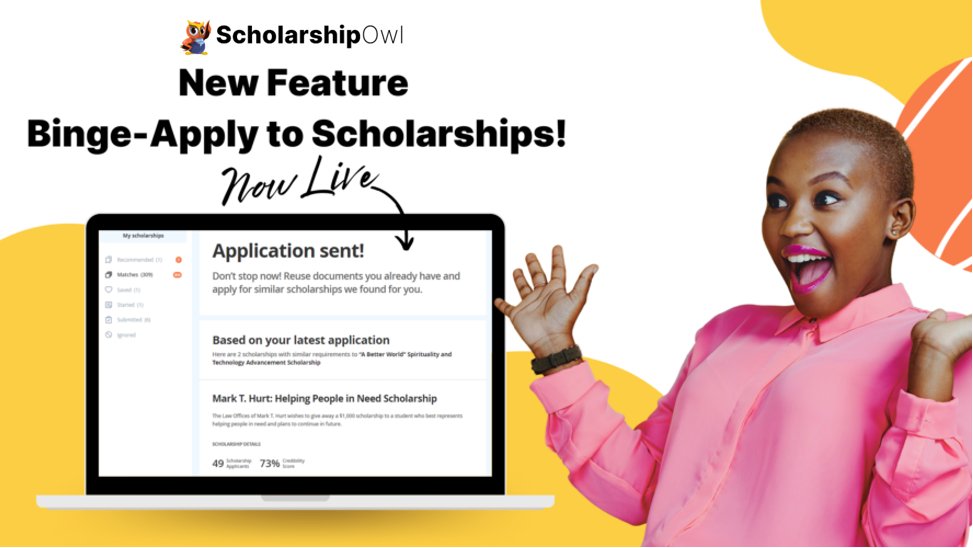
Photo: donotpay.com on Google
Can I apply for multiple scholarships at once?
Yes, you can apply for as many as you qualify for, but ensure each essay is tailored to the specific values and requirements of the individual scholarship donor.
Is it safe to share my research ideas online?
Yes, provided you have filed for the necessary intellectual property protections or have a formal research agreement with your university before sharing your work on public platforms.
How long does it take to get a decision?
It usually takes three to six months after the application deadline for the committee to review all submissions and notify the winners of the final decision.
What happens if I lose my funding?
If you lose your funding, you should talk to your university financial aid office to see if there are emergency grants or other aid programs available.
Do I need a degree in technology to apply?
You don’t need a tech degree, but you must demonstrate a clear understanding of how technology influences your field of study in your application.
How much money can I receive?
You can typically receive between $1,000 and $5,000 per academic year, though this depends entirely on the specific endowment size and the number of students applying.
Finding the right scholarship requires patience and a clear vision for how your work will help society evolve. Focus on your unique perspective and be honest about the impact you hope to achieve.
Better world, in short
Whether you’re studying artificial intelligence or ancient philosophy, these opportunities can help you bridge the gap between innovation and inner wisdom. You shouldn’t wait to start your search; look for open applications on university websites today. It’s a great way to fund your vision for a more thoughtful future.
